CEHN’s 2026 Voter Guide for Children’s Environmental Health and Companion Toolkit
The Children’s Environmental Health Network is excited to announce the release of our 2026 Voter Guide for Children’s Environmental Health and Companion Toolkit.
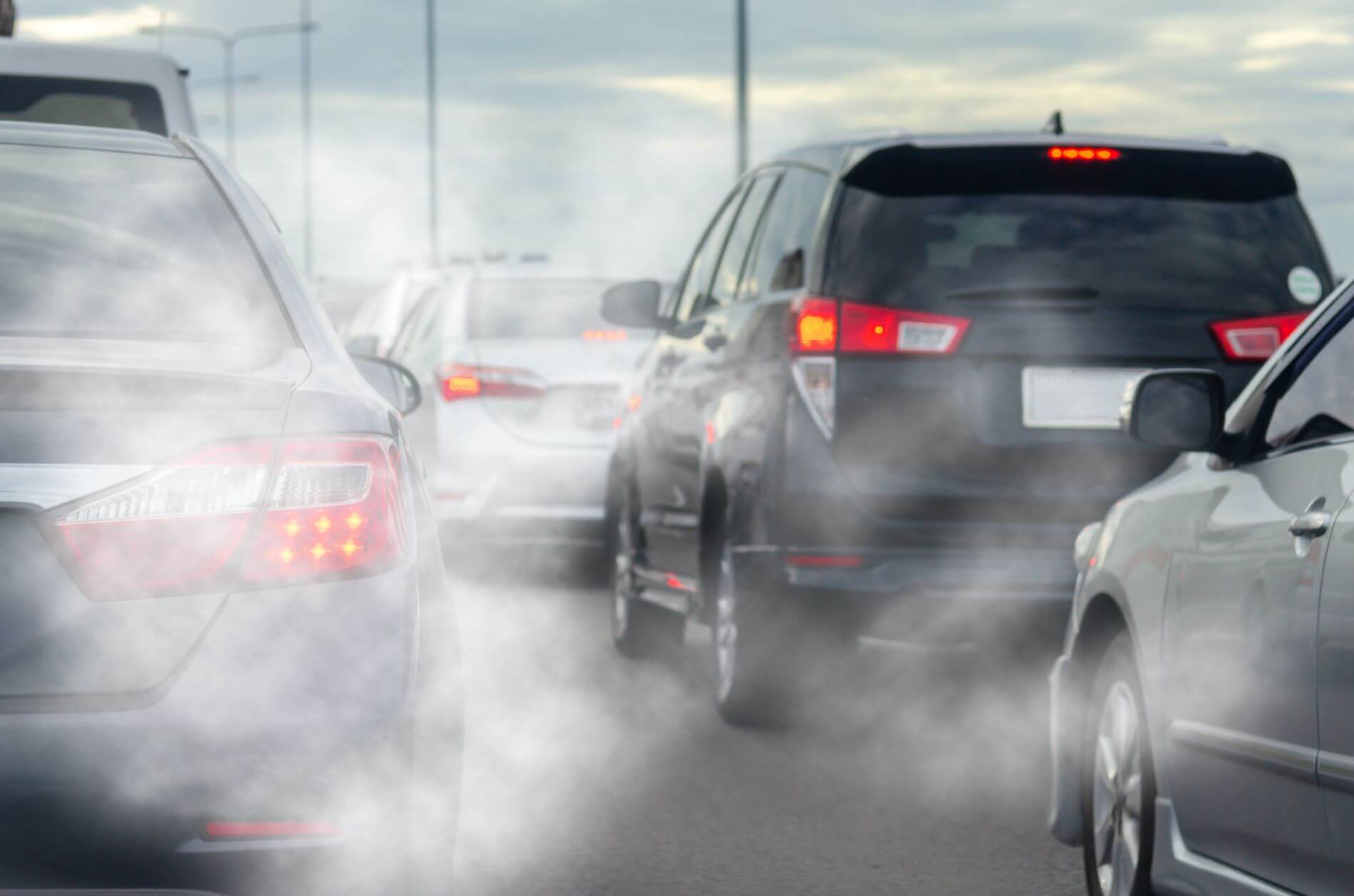
Ambient air pollution is associated with respiratory infection burden in the first year of life, according to preliminary findings from the Immune Development in Early Life (IDEaL) Rome Cohort
This policy brief builds on the learnings from Penn Center for Public Health’s October 17, 2025, Healthy Housing Symposium. It outlines evidence-informed recommendations and practices to reduce the risks and burdens of unhealthy housing and to expand access to healthy homes.
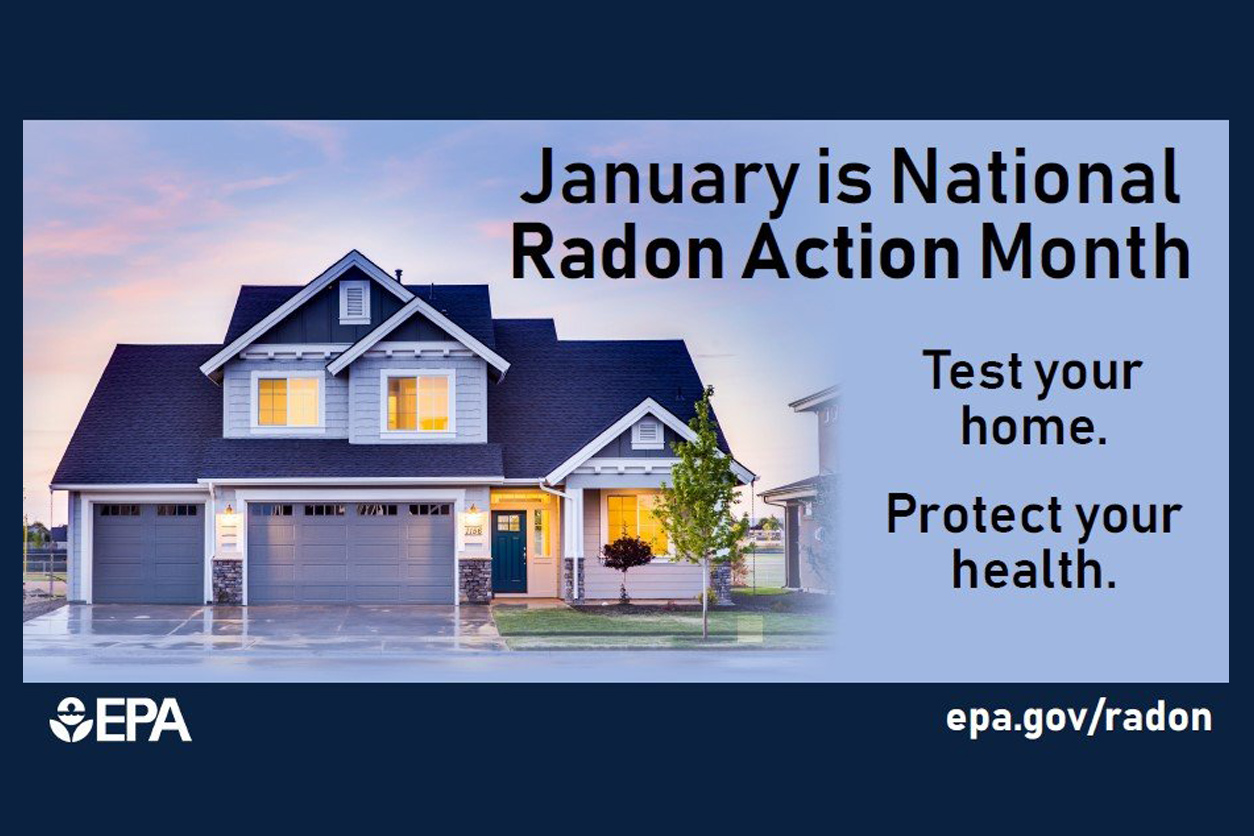
January is National Radon Action Month, a vital time to raise awareness about one of the most common – and preventable – environmental health risks facing children today.
Thank you for another great year at Philadelphia Regional Center for Children’s Environmental Health. We appreciate all our wonderful members, partners, and collaborators. Please enjoy this infographic of the year that was!
If you’re planning holiday gift purchases for loved ones this season, especially the children in your life, make sure you avoid harmful ingredients.
Community-based primary care clinicians who work in the Delaware River Valley are invited to participate in a study to assess how the ATSDR clinical information fact sheet is used in real-world applications of PFAS clinical prevention and management for children.
The PA DEP is offering grant funding to eligible public schools and licensed childcare facilities located in Pennsylvania for activities to reduce lead in drinking water.
The Children’s Environmental Health Network has developed fact sheets that include indicators of environmental hazards, environmental exposure, and child health and development to provide an understanding of children’s environmental health at the state level.
Healthy Schools is a program of WHE and was created to act as a resource-rich information hub for
the school community, including parents, teachers, staff and administrators.
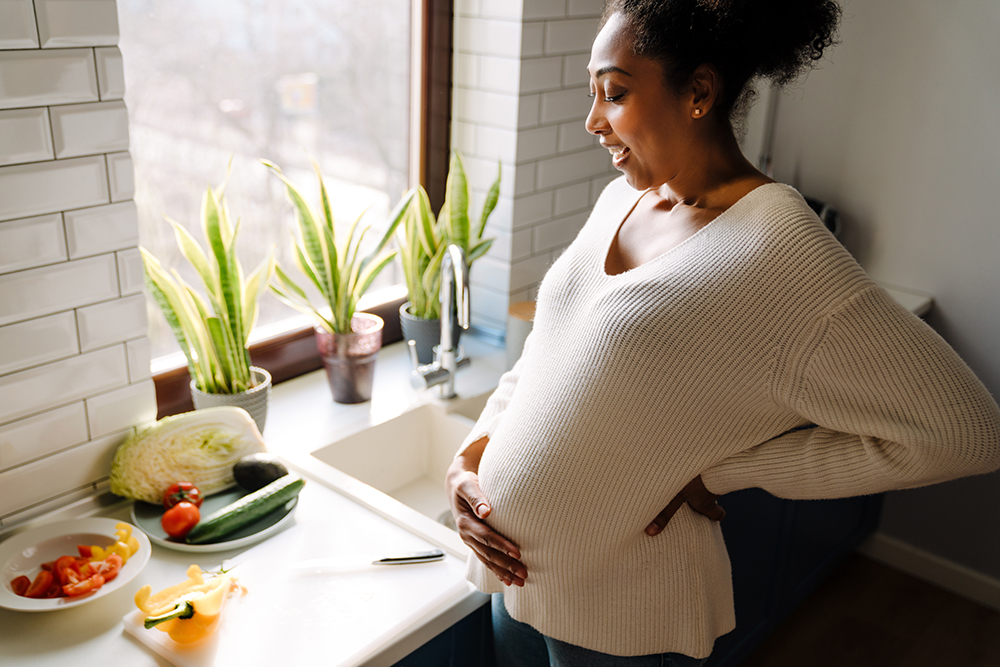
“Eco-nesting” is a growing trend that approaches nesting with a focus on avoiding the many everyday products that contain chemicals known to hurt babies’ and pregnant people’s health.
The Mid-Atlantic Center for Children’s Health and the Environment (MACCHE) hosts webinars and other events on topics related to children’s and reproductive health throughout the year.
A conversation on the optimal maximum indoor temperature, why this research is so challenging and where research and policy must go from here.
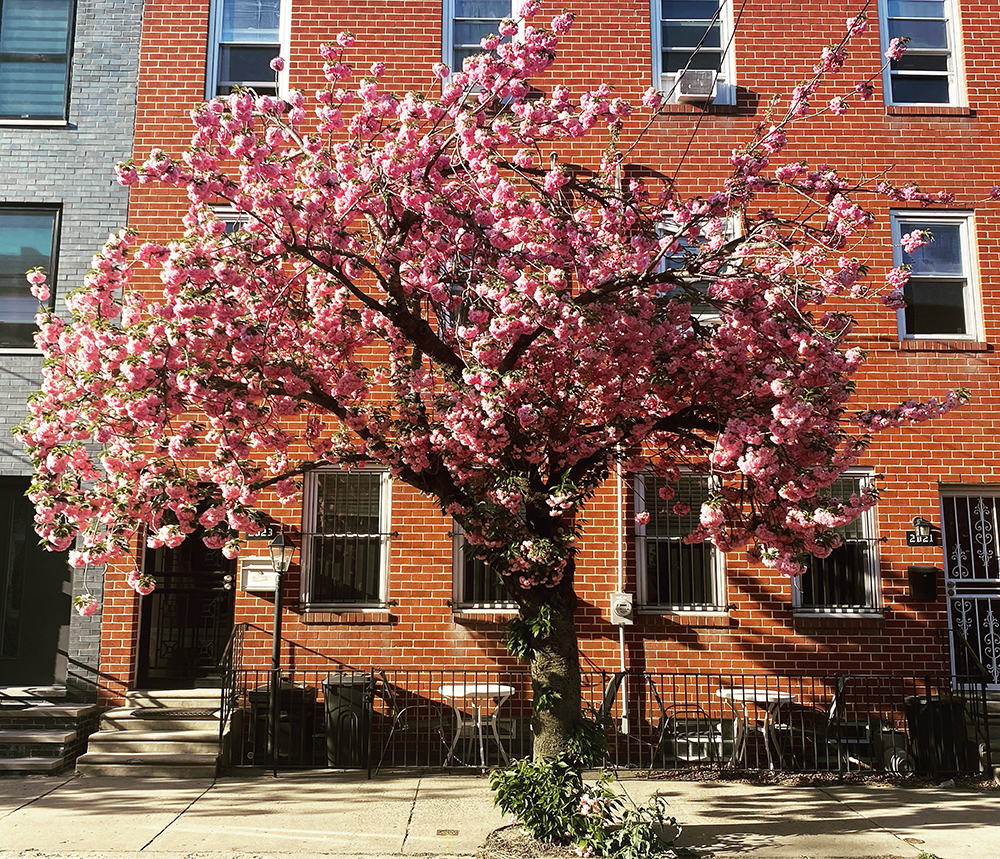
Using a unique dataset, Drexel researchers measured the number of new trees planted within 100 meters of a mother’s address for the first 10 years before their child’s birth, existing tree cover and road coverage.
Celebrating Lorna Rosenberg: Children’s Environmental Health Advocate By Isabella Andreozzi Lorna Rosenberg, MSEH is retiring from a career dedicated to applying science to promote public health. Her commitment to […]
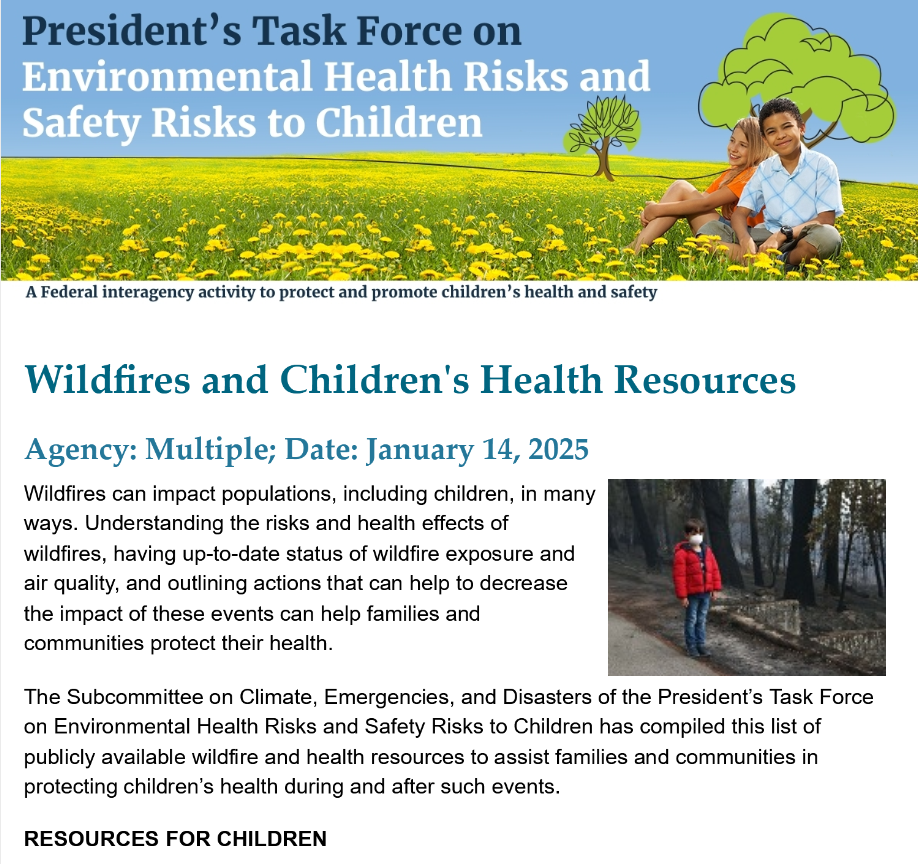
The President’s Task Force on Children’s Environmental Health and Safety recently released a this list of publicly available wildfire and health resources to assist families and communities in protecting children’s health during and after such events.
How nurses at Penn are innovating public health care for a changing world.
Marilyn Howarth, M.D., brings expertise in clinical medicine, communication engagement, and research translation to her work with the Center of Excellence in Environmental Toxicology at the University of Pennsylvania and the Philadelphia Regional Center for Children’s Environmental Health Center, both NIEHS-funded programs.
Whether you are hoping to rent or buy, know what to look for and what questions to ask.
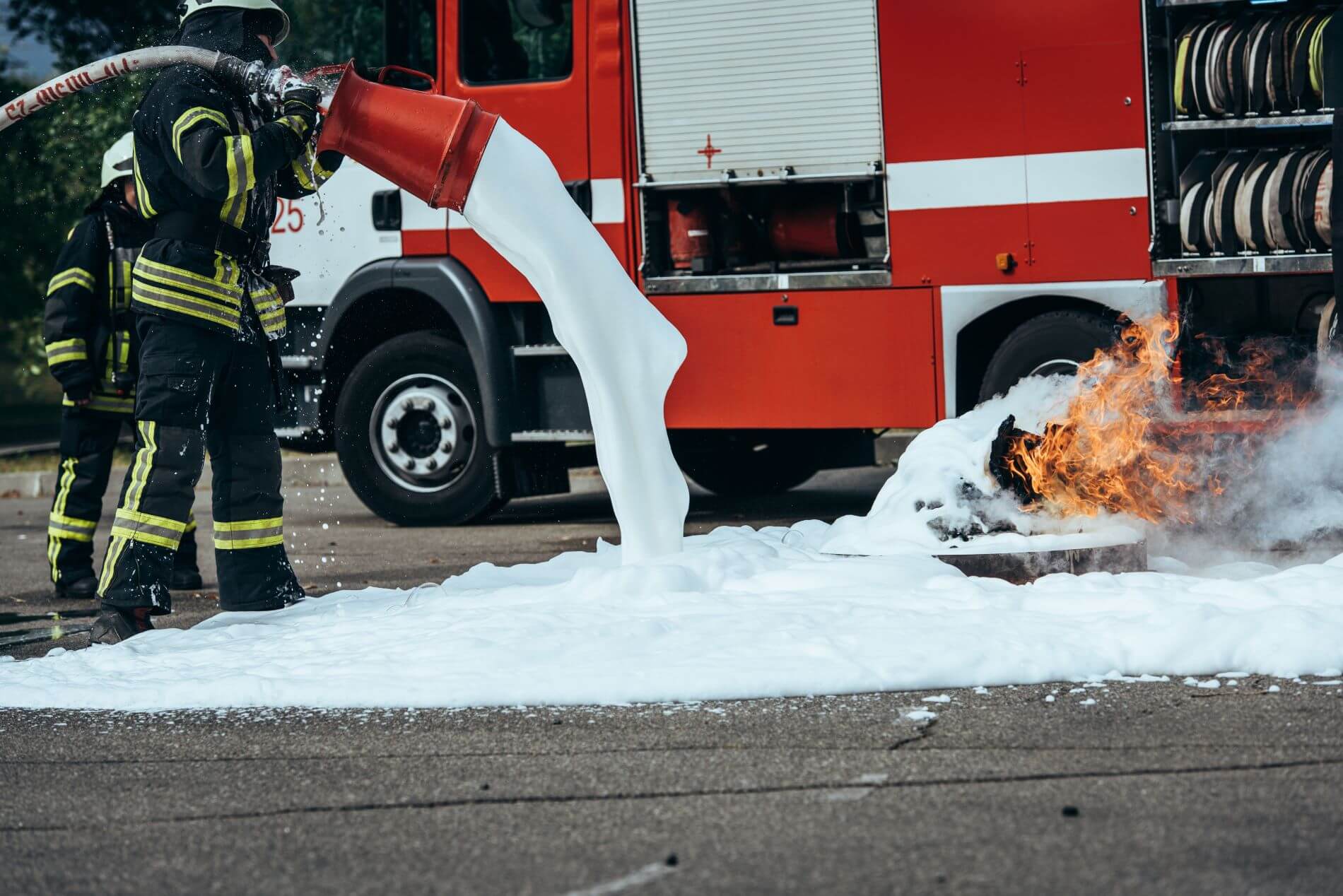
The Water Center is pleased to announce the release of a new report, Beyond Drinking Water: Strategies for Communicating and Managing PFAS Contamination.
More than 70% of homes in Pennsylvania are estimated to have been built before the 1978 lead paint ban, leaving many kids vulnerable to lead poisoning.
The City’s first barrier project addressing flooding challenges in Eastwick will bring interim flood protection to residents while long-term solutions are in development.
Two perspectives on the impact of PFAS on child development.. A Children’s Environmental Health Day webinar by the Philadelphia Regional Center for Children’s Environmental Health.
Whether from wildfires, pollution, or extreme heat, changes in air quality can have a profound impact on your mental health.