PWD and Spectrum Health Utility & Resource Fair
Community health event for customers of the Philadelphia Water Department.

Community health event for customers of the Philadelphia Water Department.
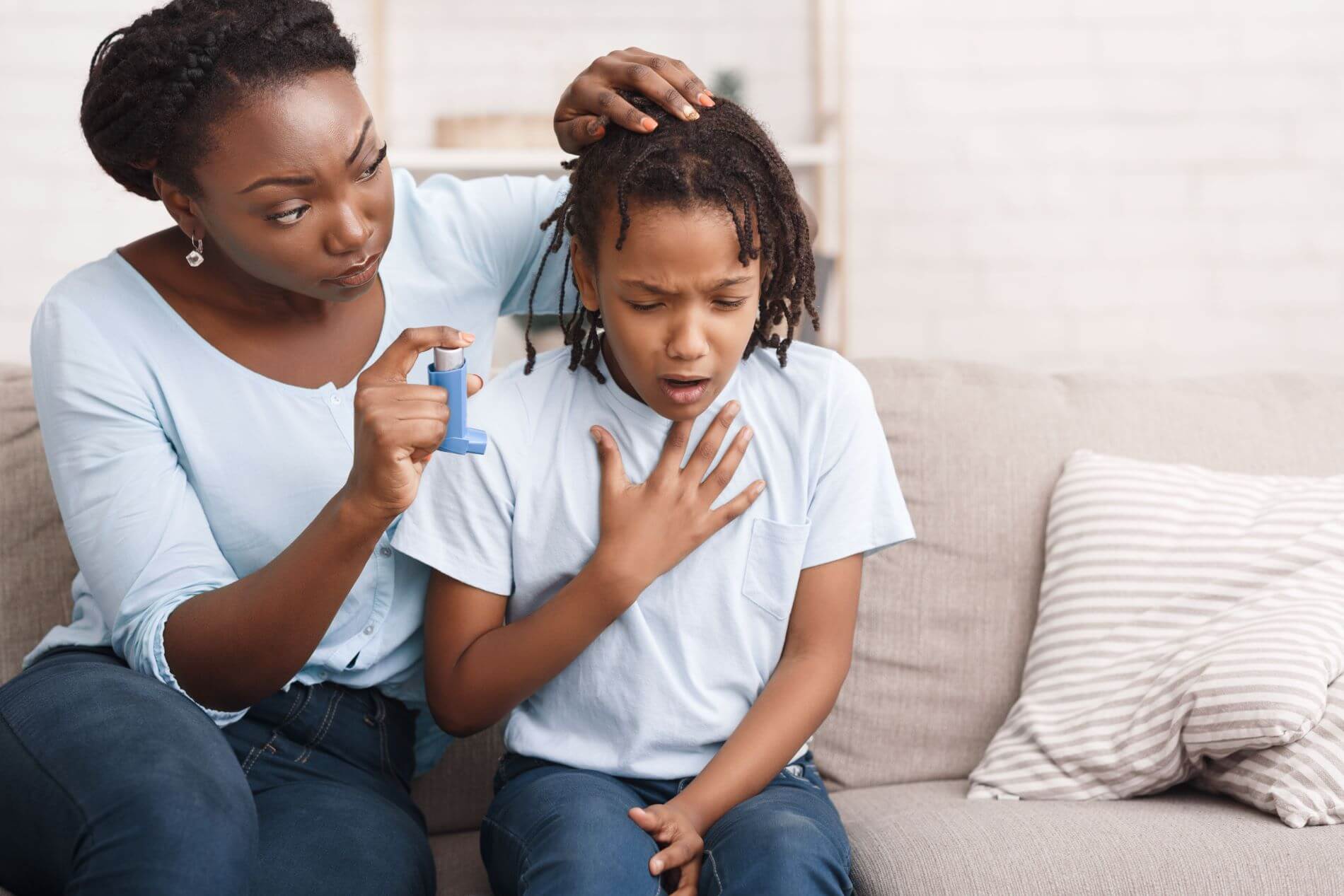
The Delaware County Health Department (DCHD) is hosting a Score for Wellness event at the WSFS Bank Sportsplex in Chester, PA, to connect residents with health resources, including screenings, asthma information, and lead testing.
Join PEHSU’s Childhood Cancer & the Environment Program to learn more about environmental exposures during the perinatal period and pediatric cancer risk from Joseph Wiemels, PhD.
This Grand Rounds will feature Maitreyi Mazumdar MD, MPH, MS. who will provide an overview of the epidemic of arsenic-contaminated drinking water in Bangladesh and the neurotoxic effects of arsenic.
A new documentary, The Plastic Detox, unfolds the science behind plastics and their health impacts, specifically fertility challenges. This webinar looks at the research of the documentary.
After a study found that many popular headphones had trace amounts of chemicals linked to reproductive and neurobehavior problems, some European retailers pulled the products from their shelves.
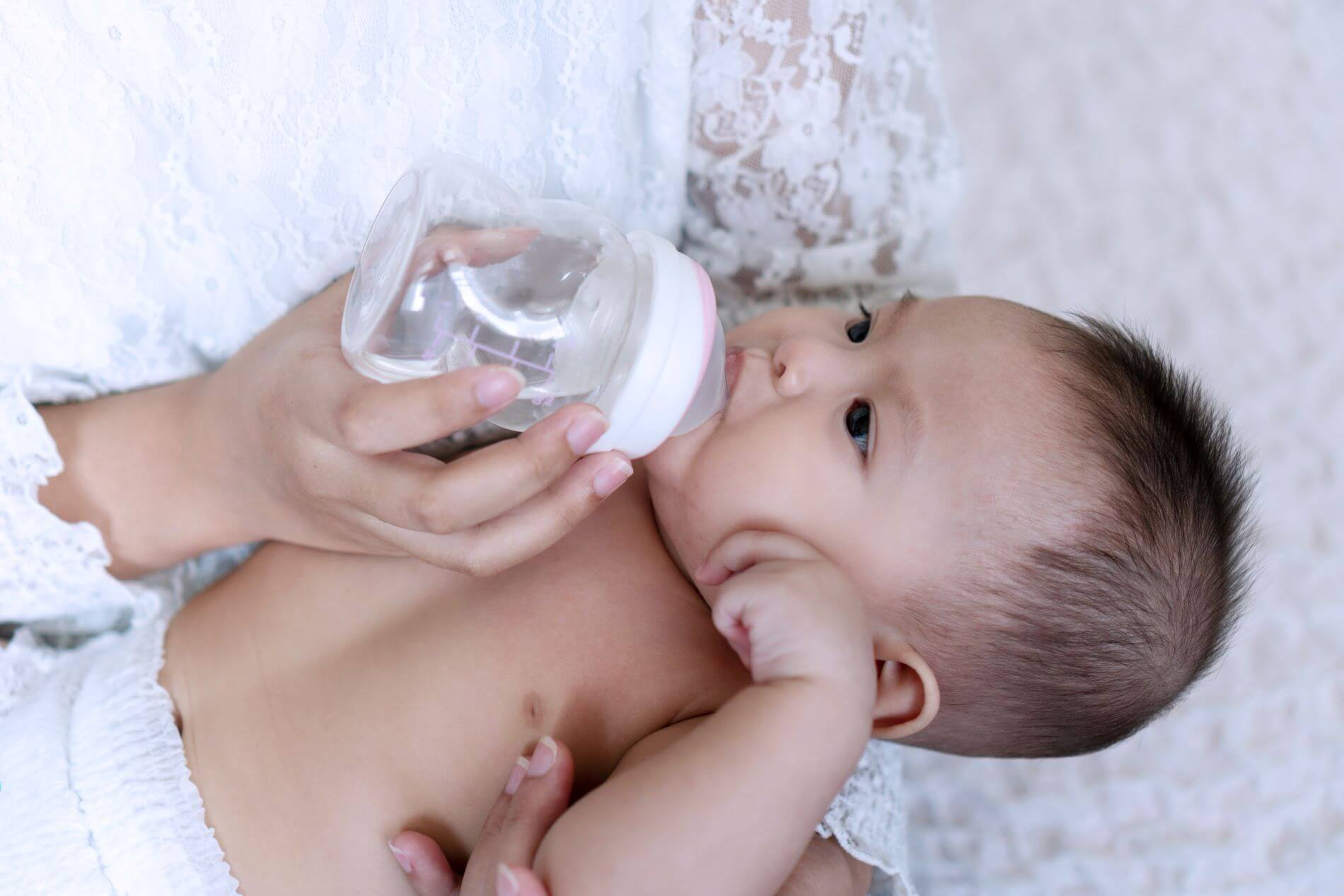
Almost half were good choices, including some powdered, ready-to-feed, and organic formulas
Join the Section on Public Health for a Grand Rounds focused on Maternal Mortality and Morbidity.
As part of Penn’s Earth Week, PRCCEH is pleased to host this webinar on the impact of processed food and hidden dietary exposure sources on children’s health. Featuring Elizabeth Costello, PhD, MPH, researcher at the Brown University School of Public Health.
Join us for a day of connection, learning, and collective action at our 5th Annual Black Perinatal Health Summit. This event is dedicated to uniting clinical and non-clinical birth workers, community leaders, and advocates to advance health equity.
The Public Health Symposium bringing together community organizations, academic institutions, and government agencies to showcase their work, connect with one another, and discuss the public health issues shaping Philadelphia and beyond.
A day of intentional dialogue and action focused on improving maternal health outcomes for Black families and communities.
Is it okay to store food in plastic bags in your freezer? Which foods have a lot of microplastics? This is what I tell my patients.
Two new studies show scope of contamination and need to regulate PFAS as a class. One of the studies was co-written by our PRCCEH Co-Director Aimin Chen, MD, PhD.
Megan J. Wolff, PhD, MPH, delivers dynamic and in-depth lecture on what is known – and what is being researched – about the impacts of plastics on human health.
EPA’s America’s Children and the Environment (ACE) serves as a national barometer for children’s environmental health, featuring over 35 environmental and health indicators.
Covers how microplastics and plastic-associated chemicals impact maternal physiology and fetal development. It will also explore evidence-based strategies for discussing these risks with patients and actionable steps to reduce plastic use and carbon footprint in medical practices.
This free event will bring together researchers, policymakers, health professionals, and advocates to examine how chemical exposures affect child health and development and how science is being translated into meaningful action.
This presentation will review the evolution of public health guidelines regarding fish consumption for pregnant women and children.
Dr. James-Todd’s work focuses on the importance of pregnancy as a sensitive window of consumer product and environmental chemical exposures.
Join us for a dynamic conversation about how policies and industry practices influence our daily exposures to toxic chemicals in consumer products.
In this EDC Strategies Partnership/Young EDC Scientists Showcase (YESS) webinar, Dr. Shuo Xiao will introduce his lab research that focuses on integrating in vivo, in vitro, and in silico models to study the impacts of real-world EDC mixtures on female ovarian function, reproductive outcomes, and the molecular mechanisms involved.
This policy brief builds on the learnings from Penn Center for Public Health’s October 17, 2025, Healthy Housing Symposium. It outlines evidence-informed recommendations and practices to reduce the risks and burdens of unhealthy housing and to expand access to healthy homes.
Consumer Reports tested 41 types of powdered formula for a number of toxic chemicals, including arsenic, lead, BPA, acrylamide, and PFAS. We looked at established formulas , newer startups, popular store brands, and imported brands.