
Long-term Health Effects of Childhood Glyphosate Exposure
OnlineDr. Brenda Eskenazi will present the results of a long-term study examining possible links between glyphosate exposure and liver disease and metabolic disorders.

Dr. Brenda Eskenazi will present the results of a long-term study examining possible links between glyphosate exposure and liver disease and metabolic disorders.
Seminar featuring Suzanne E. Fenton, MS, PhD, Reproductive Endocrinology Lead from the Division of the National Toxicology Program at NIEHS/NIH
Dr. Alain Boldini’s pilot awardee presentation on the Effects of Deforestation on Children’s Health in Brazil.

Center member, Harriet Okatch, PhD, is leading a lunchtime lecture speaker series by the Thomas Jefferson University Institute for Smart and Healthy Cities.

Dr. Kinnari Chandriani will present Public Health Practice and the Social Determinants of Health and will be available after the talk for a brief discussion.
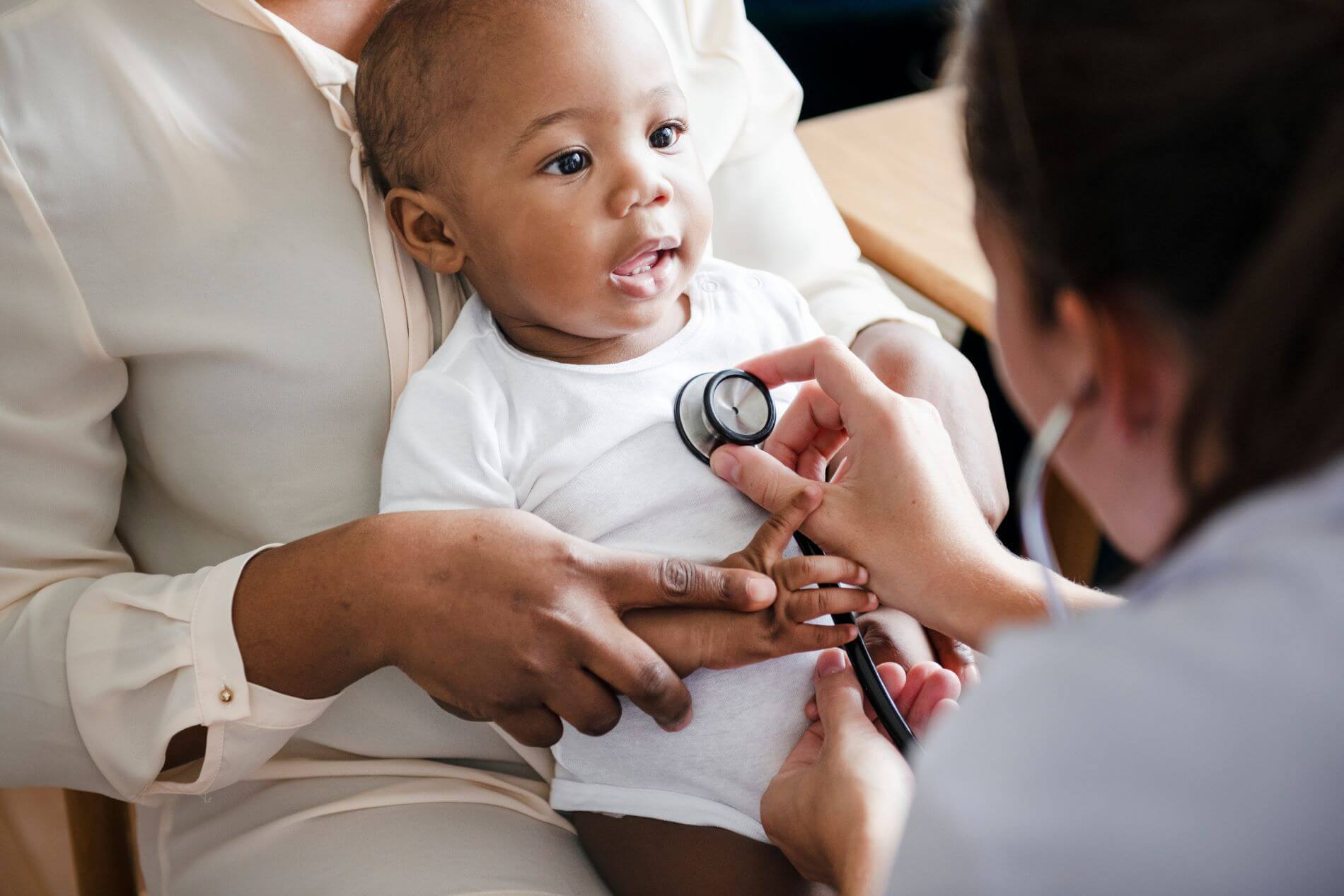
The theme of this year's symposium is Promoting Child Health: From Environmental Challenges to Pandemic. The event is hybrid with an in-person option in DC.
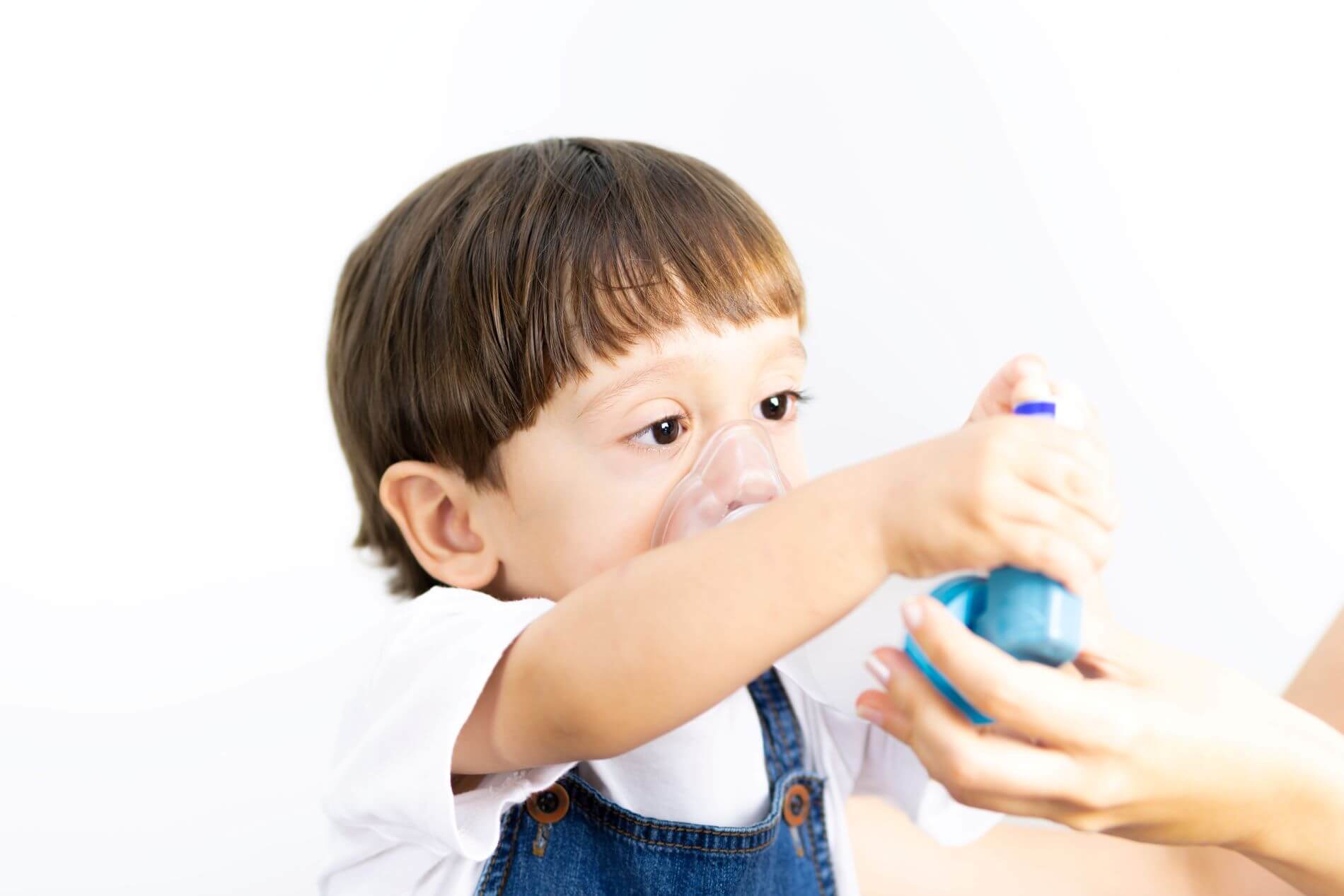
The Learn More Breathe Better® program will look at asthma through a health equity lens and highlight the many resources available to promote National Asthma and Allergy Awareness Month throughout May.
World Asthma Day (WAD) (May 2, 2023) is organized by the Global Initiative for Asthma, (GINA). WAD is held each May to raise awareness of Asthma worldwide.

Join as we celebrate EPA's Air Quality Awareness Week. This webinar is hosted by the Mid-Atlantic Center for Children's Health and the Environment (Region 3 PEHSU).
This webinar will build awareness of and capacity for lead screening among pediatricians and pediatric and non‐physician clinicians, including pediatric lead exposure as a present‐day public health concern, the importance of screening and testing, and community level approaches to decreasing pediatric lead exposure.

During this webinar, Dr. Abby D. Mutic will provide an overview of the impacts of climate change on maternal and child health populations and discuss her work in this space.

This hybrid course will consist of four modules, three lectures, and one Q&A session, and last approximately four hours.

Collect soil from your yard or garden and bring it in for FREE testing by UPenn researchers. Results will be provided within minutes.

Webinar by the Pennsylvania Chapter of the American Academy of Pediatrics will focus on how to keep well water healthy for children.

Abuse, neglect, trauma or adverse experiences during childhood coming from personal, environmental or social sources can lead to lifelong struggles including with mental health. Fortunately research also indicates that solutions and interventions at various stages of life can be developed to help and to promote resilience. Please plan to join us online or in person […]

The Children's Health Protection Advisory Committee (CHPAC) is a body of external researchers, academicians, health care providers, environmentalists, state and tribal government employees, and members of the public who advise EPA on regulations, research, and communications related to children's health.
Whether it is urban or rural, extreme heat, poor air quality, wildfire, flood, and other extreme weather events, children are certainly one of the most vulnerable populations we serve. These climate hazards make children susceptible to worsening allergies, asthma, and trauma-induced mental health challenges like anxiety, depression, and worse. Experts from Children’s National Hospital, Washington, […]

The 2023 Nursing Summit on Environmental Health, presented in partnership with the Mid-Atlantic Center on Children’s Health and the Environment, to bring together nurse leaders working at the intersection of health and the environment.

U.S. EPA will present on a report which quantifies future health risks to children for a sub-set of climate stressors.

Featuring Marilyn Howarth, PhD, the Deputy Director of the Philadelphia Regional Center for Children's Environmental Health

Shaon Sengupta, MD, MPH, neonatologist and physician scientist at the Children's Hospital of Philadelphia is the speaker at our final PRCCEH seminar of the Spring semester.

The Oregon State University ASPIRE Center uses implementation and dissemination science methodology to increase the uptake of evidence-based children’s environmental health information.
A report will document the harmful impacts of plastic bottles on human health, environmental justice, and climate change. Mike Belliveau (Defend Our Health) will present highlights of the report.
Our second annual Environmental Justice and Climate Protection Conference brings together community leaders, concerned citizens, elected officials, academics, and industry experts. Together we will break information silos through information sharing focused on identifying solutions to heal and improve the environmental health of all Georgians. Conference Charge: What can be done *right now* to work with […]