Baggies, retainers and more: 5 microplastics questions, answered
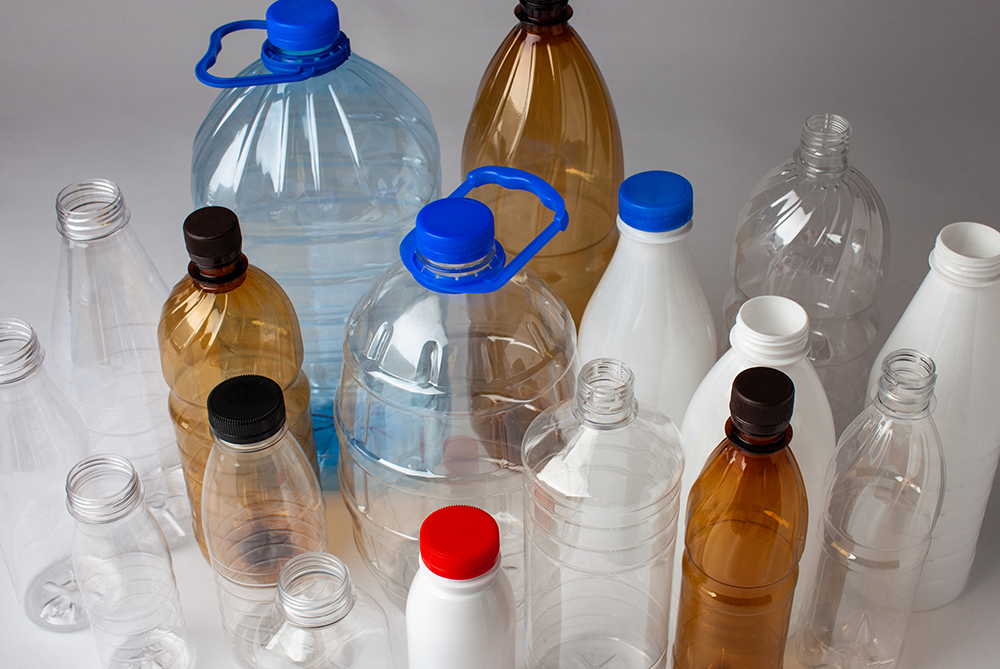
Is it okay to store food in plastic bags in your freezer? Which foods have a lot of microplastics? This is what I tell my patients.


Is it okay to store food in plastic bags in your freezer? Which foods have a lot of microplastics? This is what I tell my patients.
Two new studies show scope of contamination and need to regulate PFAS as a class. One of the studies was co-written by our PRCCEH Co-Director Aimin Chen, MD, PhD.
Megan J. Wolff, PhD, MPH, delivers dynamic and in-depth lecture on what is known – and what is being researched – about the impacts of plastics on human health.
PRCCEH has expanded to 50 research Center members – meet our two newest members!
Experts explain how to enjoy your fireplace safely this winter and protect yourself from indoor air pollutants.
This policy brief builds on the learnings from Penn Center for Public Health’s October 17, 2025, Healthy Housing Symposium. It outlines evidence-informed recommendations and practices to reduce the risks and burdens of unhealthy housing and to expand access to healthy homes.
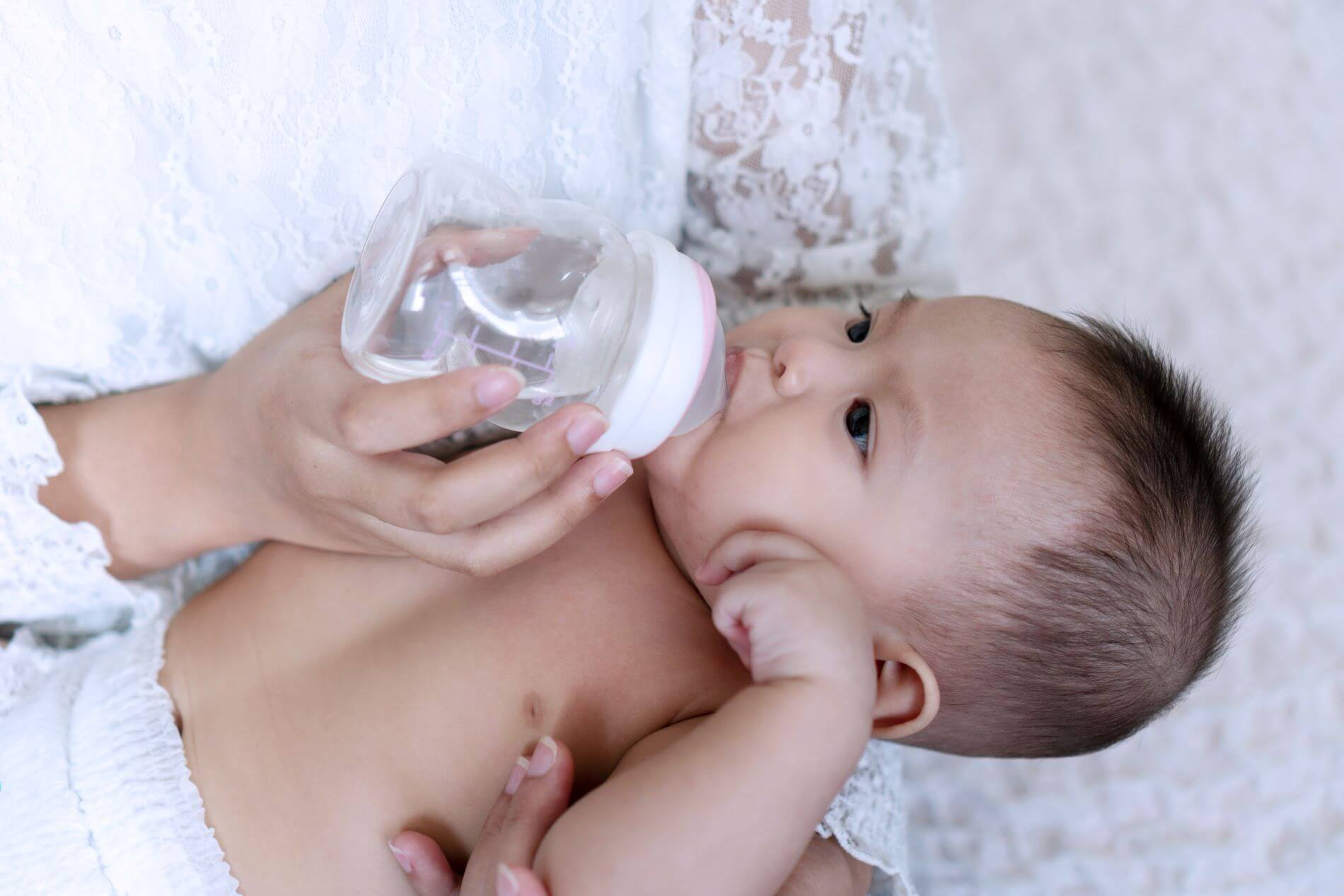
Consumer Reports tested 41 types of powdered formula for a number of toxic chemicals, including arsenic, lead, BPA, acrylamide, and PFAS. We looked at established formulas , newer startups, popular store brands, and imported brands.
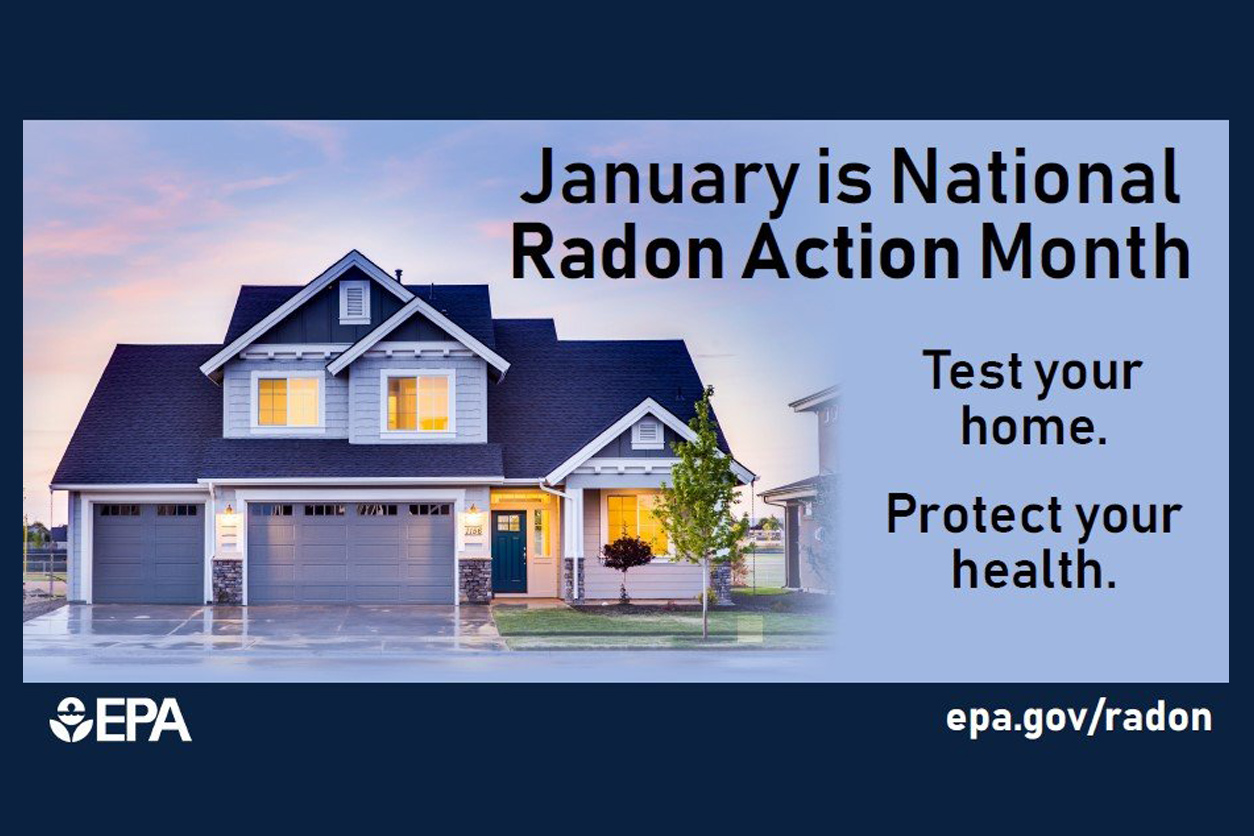
January is National Radon Action Month, a vital time to raise awareness about one of the most common – and preventable – environmental health risks facing children today.
Thank you for another great year at Philadelphia Regional Center for Children’s Environmental Health. We appreciate all our wonderful members, partners, and collaborators. Please enjoy this infographic of the year that was!
If you’re planning holiday gift purchases for loved ones this season, especially the children in your life, make sure you avoid harmful ingredients.
Community-based primary care clinicians who work in the Delaware River Valley are invited to participate in a study to assess how the ATSDR clinical information fact sheet is used in real-world applications of PFAS clinical prevention and management for children.
The PA DEP is offering grant funding to eligible public schools and licensed childcare facilities located in Pennsylvania for activities to reduce lead in drinking water.
Presentation by Noah Buncher, DO, FAAP, CHOP General Pediatrician on his past and current pilot projects on telehealth education and primary prevention of childhood lead poisoning.
Thomas Gluodenis, PhD, Professor at Lincoln University of PA discusses his PRCCEH pilot project research into potential toxic metal exposure from the 3-D printing process.
The American Medical Association is awarding micro grants to physicians who have big ideas on how to address health-related challenges faced by people with limited access to care. The grants are $50,000.
A new website details over a century of a tumultuous, industrial history at the facility, which has since been demolished by its new owners.
The Children’s Environmental Health Network has developed fact sheets that include indicators of environmental hazards, environmental exposure, and child health and development to provide an understanding of children’s environmental health at the state level.
The Maternal and Child Health (MCH) program at Drexel University’s Dornsife School of Public Health is proud to be named a Center of Excellence in Maternal and Child Health Education, Science and Practice. Drexel’s program was selected by the Health Resources and Services Administration’s Maternal and Child Health Bureau (HRSA MCHB) as one of only 13 MCH Centers of Excellence in the United States.
Harriet Okatch, PhD, MPH, Associate Professor at Thomas Jefferson University, speaks about her experience implementing a lead education program to youth and trying to communicate lead education to the public.
Children’s Hospital of Philadelphia, University of Pennsylvania and Drexel University research teams were among 13 funded nationally.
The 2025 U.S. Asthma Capitals report identifies cities with high rates of asthma-related emergency room visits and deaths.
Deeply Rooted has planted over 1,000 trees, greened over 1,000 vacant lots, and funded 79 community grants.
Phthalates, chemicals found in plastics, are linked to an array of problems, especially in pregnancy
Using data from 2007 to 2023, researchers from Penn Medicine and CHOP found measures like mental health and obesity, as well as infant and child mortality rose.