PWD and Spectrum Health Utility & Resource Fair
Community health event for customers of the Philadelphia Water Department.

Community health event for customers of the Philadelphia Water Department.
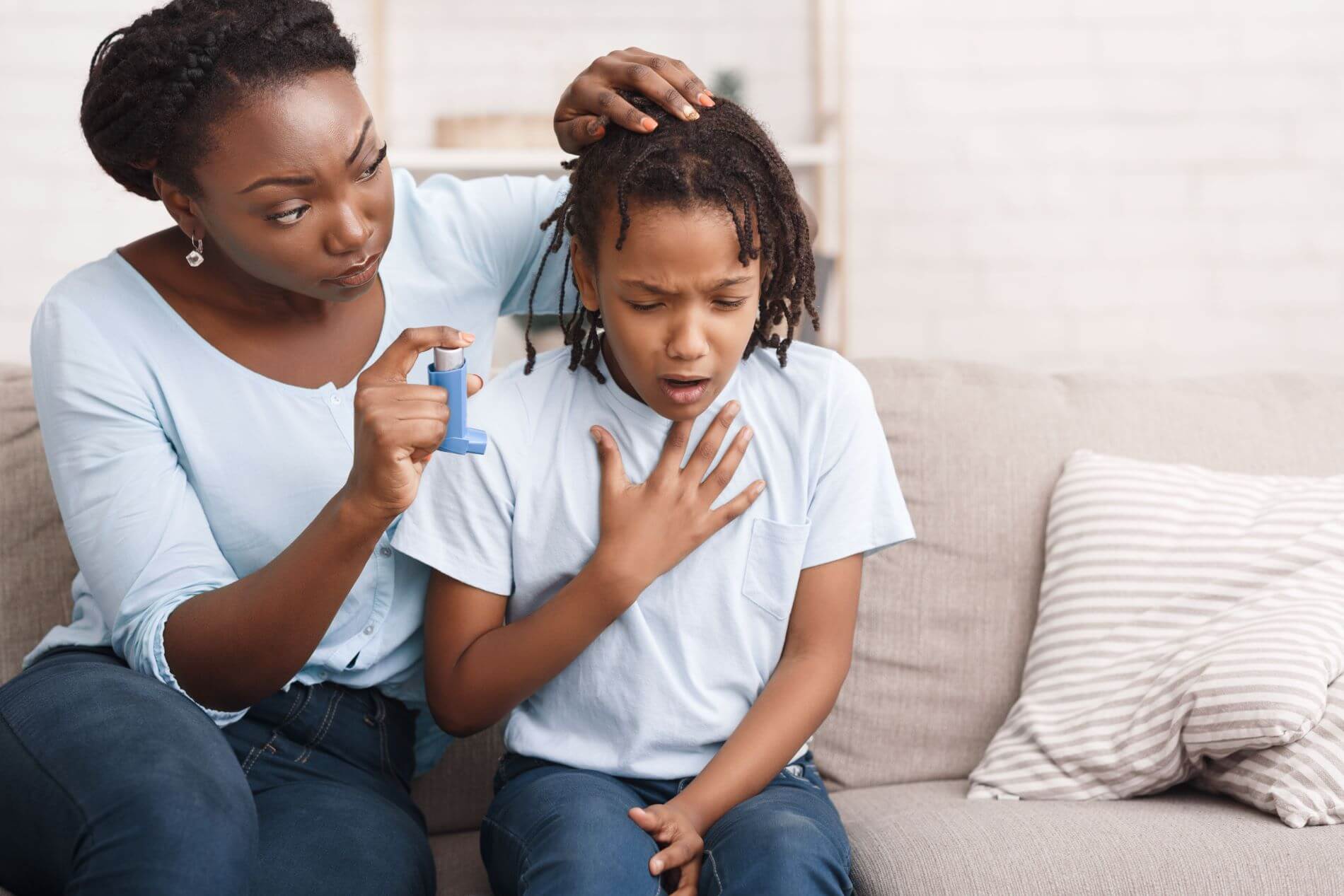
The Delaware County Health Department (DCHD) is hosting a Score for Wellness event at the WSFS Bank Sportsplex in Chester, PA, to connect residents with health resources, including screenings, asthma information, and lead testing.
Join PEHSU’s Childhood Cancer & the Environment Program to learn more about environmental exposures during the perinatal period and pediatric cancer risk from Joseph Wiemels, PhD.
Almost half were good choices, including some powdered, ready-to-feed, and organic formulas
Join the Section on Public Health for a Grand Rounds focused on Maternal Mortality and Morbidity.
The Public Health Symposium bringing together community organizations, academic institutions, and government agencies to showcase their work, connect with one another, and discuss the public health issues shaping Philadelphia and beyond.
A day of intentional dialogue and action focused on improving maternal health outcomes for Black families and communities.
EPA’s America’s Children and the Environment (ACE) serves as a national barometer for children’s environmental health, featuring over 35 environmental and health indicators.
This free event will bring together researchers, policymakers, health professionals, and advocates to examine how chemical exposures affect child health and development and how science is being translated into meaningful action.
Dr. James-Todd’s work focuses on the importance of pregnancy as a sensitive window of consumer product and environmental chemical exposures.
This policy brief builds on the learnings from Penn Center for Public Health’s October 17, 2025, Healthy Housing Symposium. It outlines evidence-informed recommendations and practices to reduce the risks and burdens of unhealthy housing and to expand access to healthy homes.
Consumer Reports tested 41 types of powdered formula for a number of toxic chemicals, including arsenic, lead, BPA, acrylamide, and PFAS. We looked at established formulas , newer startups, popular store brands, and imported brands.
Thank you for another great year at Philadelphia Regional Center for Children’s Environmental Health. We appreciate all our wonderful members, partners, and collaborators. Please enjoy this infographic of the year that was!
The PA DEP is offering grant funding to eligible public schools and licensed childcare facilities located in Pennsylvania for activities to reduce lead in drinking water.
Presentation by Noah Buncher, DO, FAAP, CHOP General Pediatrician on his past and current pilot projects on telehealth education and primary prevention of childhood lead poisoning.
The Children’s Environmental Health Network has developed fact sheets that include indicators of environmental hazards, environmental exposure, and child health and development to provide an understanding of children’s environmental health at the state level.
Bringing together healthcare professionals and parent advocates to elevate health equity, inclusion, and accountability, while centering the lived experiences, and solutions of Black birthing and preemie families in challenging times.
Five webinars on children’s environmental health for nurses
Harriet Okatch, PhD, MPH, Associate Professor at Thomas Jefferson University, speaks about her experience implementing a lead education program to youth and trying to communicate lead education to the public.
Bring your household items for instant lead contamination testing – completely free. Protect your family’s health and learn how to reduce exposure at the Lead Free Community Expo.
This webinar will provide an overview of lead exposure in children, including sources and impacts. The presentation will explain why universal screening for lead exposure is important, as well as the management of elevated blood lead levels.
Speaker Dr. Gary Adamkiewicz (Harvard T.H. Chan School of Public Health), will provide insights related to identifying housing and household environmental factors that can influence health based on his more than 20 years of experience in conducting home-based studies in the greater Boston area.
Deeply Rooted has planted over 1,000 trees, greened over 1,000 vacant lots, and funded 79 community grants.
Children’s Environmental Health Day webinar on lead poisoning, misconceptions and hidden exposure, and communicating to the public about lead safety.