Vote for Kids Webinar
Join Children’s Environmental Health Network and partners to find out how you can protect kids’ health and their environments in the 2026 elections.

Join Children’s Environmental Health Network and partners to find out how you can protect kids’ health and their environments in the 2026 elections.
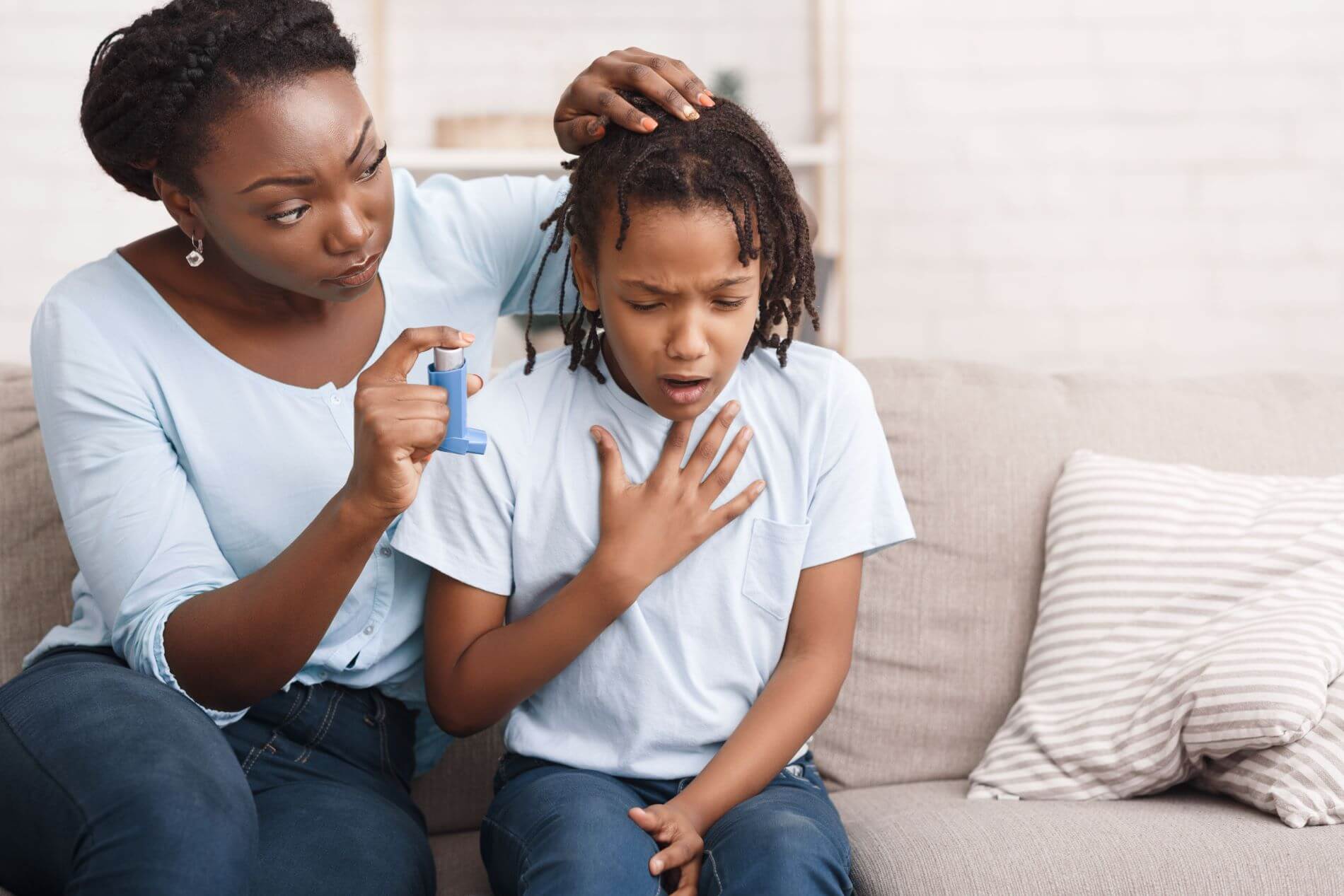
Join the U.S. Environmental Protection Agency and other leading experts for this webinar to learn about practical knowledge, resources and tools to reduce respiratory health risks during high ozone and pollen events.
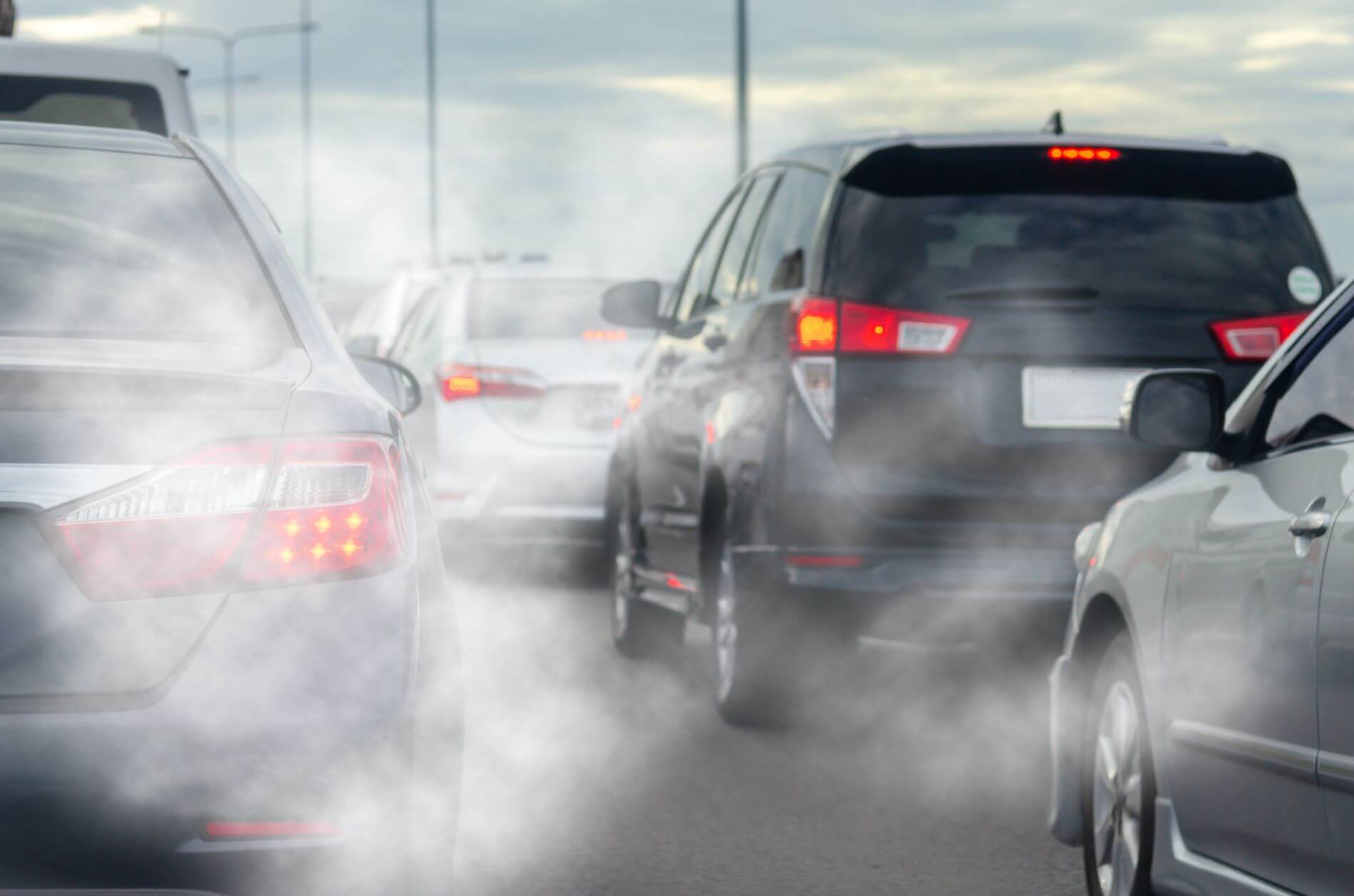
Ambient air pollution is associated with respiratory infection burden in the first year of life, according to preliminary findings from the Immune Development in Early Life (IDEaL) Rome Cohort
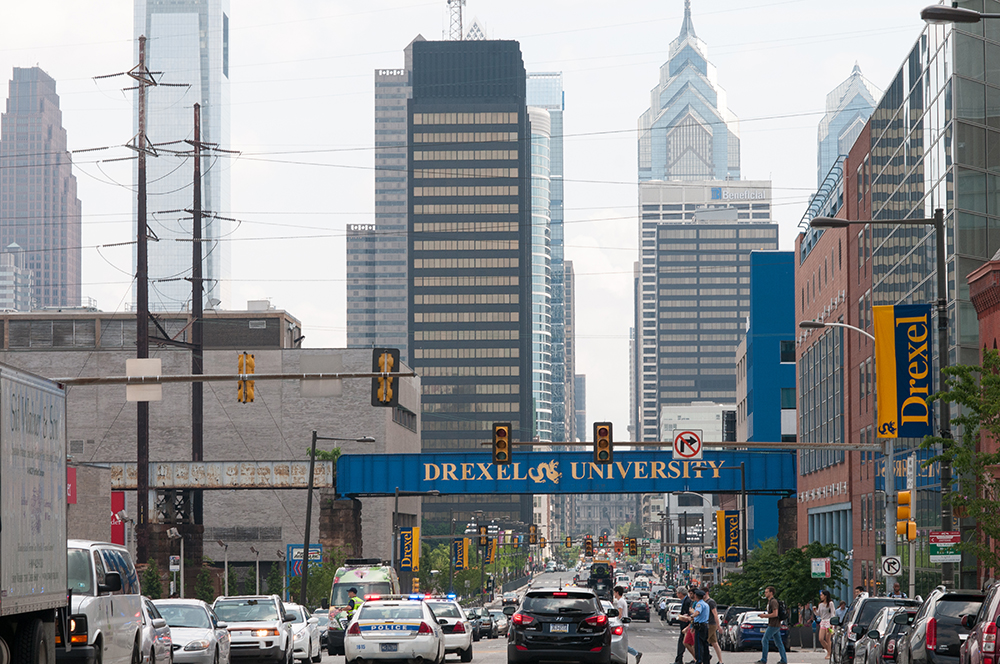
PRCCEH has been across the Philadelphia region this spring educating students, health professionals and partners about children’s environmental health issues and programs.
Register for our annual symposium where researchers, community groups and doctors gather together to discuss children’s environmental health in the Philadelphia region.
In this webinar, Dr. Stephanie Mayne from the Children’s Hospital of Philadelphia will present results from a PRCCEH-funded pilot study examining the association of extreme temperatures with missed pediatric preventive visits.
Throughout this half-day event, we will explore the importance of data in maternal and child health and how different types of data collection strategies and research methods are used to advance MCH outcomes.
Each session explores the environmental health issues shaping the health of our communities — from toxic chemicals and extreme heat to air quality, plastics, and food and agriculture.
The American Lung Association “State of the Air 2026” report ranks cities and grades counties based on their levels of ozone and two measures of particle pollution in 2022, 2023 and 2024.
Join the American Lung Association for a two-part, virtual workshop for healthcare professionals to assess and discuss indoor air pollutants with patients.
Community health event for customers of the Philadelphia Water Department.
The Delaware County Health Department (DCHD) is hosting a Score for Wellness event at the WSFS Bank Sportsplex in Chester, PA, to connect residents with health resources, including screenings, asthma information, and lead testing.
Join PEHSU’s Childhood Cancer & the Environment Program to learn more about environmental exposures during the perinatal period and pediatric cancer risk from Joseph Wiemels, PhD.
Join the Section on Public Health for a Grand Rounds focused on Maternal Mortality and Morbidity.
Join us for a day of connection, learning, and collective action at our 5th Annual Black Perinatal Health Summit. This event is dedicated to uniting clinical and non-clinical birth workers, community leaders, and advocates to advance health equity.
The Public Health Symposium bringing together community organizations, academic institutions, and government agencies to showcase their work, connect with one another, and discuss the public health issues shaping Philadelphia and beyond.
A day of intentional dialogue and action focused on improving maternal health outcomes for Black families and communities.
EPA’s America’s Children and the Environment (ACE) serves as a national barometer for children’s environmental health, featuring over 35 environmental and health indicators.
This free event will bring together researchers, policymakers, health professionals, and advocates to examine how chemical exposures affect child health and development and how science is being translated into meaningful action.
Dr. James-Todd’s work focuses on the importance of pregnancy as a sensitive window of consumer product and environmental chemical exposures.
January is Radon Action Awareness Month! Learn all about this naturally occurring gas and how it enters homes and buildings. Radon is the second leading cause of lung cancer in the US.
January is Radon Action Month! Learn all about this naturally occurring gas and how it enters homes and buildings. Radon is the second leading cause of lung cancer in the US.
Experts explain how to enjoy your fireplace safely this winter and protect yourself from indoor air pollutants.
This policy brief builds on the learnings from Penn Center for Public Health’s October 17, 2025, Healthy Housing Symposium. It outlines evidence-informed recommendations and practices to reduce the risks and burdens of unhealthy housing and to expand access to healthy homes.