There is no such thing as PFAS-free synthetic turf
Aimin Chen, PhD, MD, is interviews for an article discussing the use of synthetic turf in the city’s future play fields, particularly in South Philly.

Aimin Chen, PhD, MD, is interviews for an article discussing the use of synthetic turf in the city’s future play fields, particularly in South Philly.
Nearly 300 researchers, clinicians, and community members gathered to share research, steps people can take to reduce exposure to EDCs.
Our theme this year is New Horizons: Building Bridges to Shape the Environmental Health Future, focusing on responding to the needs of the profession with new topics like heat waves in the U.S., data modernization, burn-out, and artificial intelligence for environmental health, along with our traditional topics such as food safety and water quality.
Join MACCHE on July 10 for a webinar: Child’s Play: Teaching Planet Protective Eating Patterns to Children with expert Meryl Fury, MS, RN, to learn how to educate and empower children about what they can do to help protect the planet.
Drexel University’s groundskeepers will replace the synthetic chemicals campus-wide, with an organic turf program.
Join the ECHO Program for a series of three flash talks centered around fish consumption during pregnancy and impacts on child health. Kristen Lyall, Emily Oken, and Margaret Karagas will […]
Across the two days we will hear from local, national, and international experts who will provide insight into the future of the field, as plastic production and consumption continues to rapidly grow worldwide.
Across the two days we will hear from local, national, and international experts who will provide insight into the future of the field, as plastic production and consumption continues to rapidly grow worldwide.
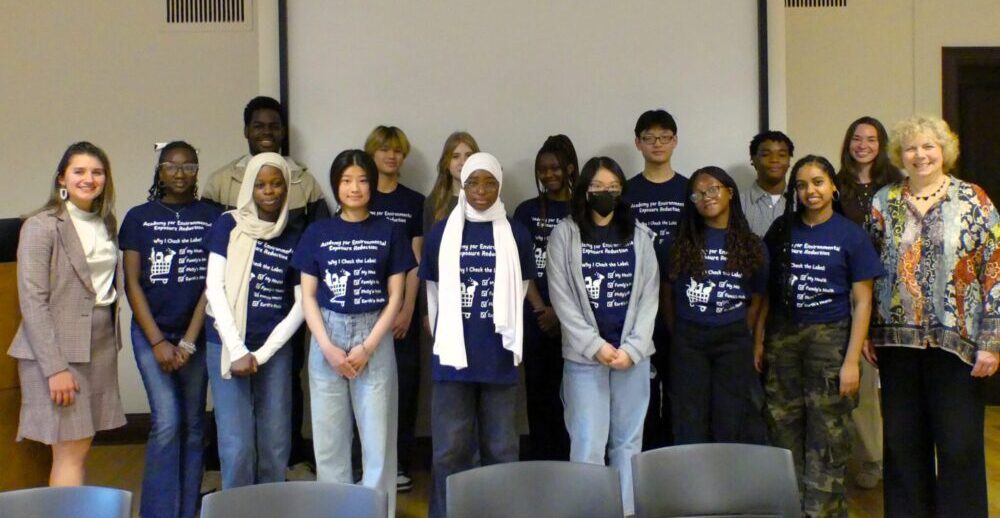
A look back at the 2024 Academy for Environmental Exposure Reduction by one of the student mentors, Colin Battis.
A Panel Presentation featuring 3 advocates discussing the recently finalized PFAS National Primary Drinking Water Regulation and what this means for nurses and patients. Discussion of PFAS policy being enacted at the state level will also be discussed.
A recent literature review conducted by Project TENDR (Targeting Environmental Neuro-Development Risks) sheds light on the disparities in neurodevelopmental outcomes among children in low-income families and communities of color in the United States.
The Children’s Health Protection Advisory Committee is a body of external researchers, academicians, health care providers, environmentalists, state and tribal government employees, and members of the public who advise the EPA on regulations, research, and communications related to children’s health.
EPA action designates two widely used PFAS as hazardous substances under the Superfund law, improving transparency and accountability to clean up PFAS contamination in communities
Vague terms on ingredient lists can conceal real hazards. That means the hard work of assessing product risk usually falls to everyday people.
In a Q&A, Brianne Callahan, of the University of Pennsylvania Water Center explains the new regulations on PFAS, plus how they might affect consumer water bills, health, and more.
The 3rd Annual PRCCEH Symposium brings together researchers, nonprofit organizations, governmental leaders and local residents to discuss and learn about the latest in children’s environmental health. Speakers will discuss the effects of lead poisoning, asthma, air pollution, climate change and toxic chemicals on pregnant people and young children.
Join Penn Nursing and Nursing Students for Global Health to learn about the role of the health sector in planetary health.
This webinar overviews the Penn-CHOP ECHO program model, plans for the future, and how new methodological innovations and interventions will play a role in the ECHO cohort.
Kam Sripada, PhD is a neuroscientists at Norwegian University of Science and Technology and Centre Manager of the Centre for Digital Life Norway, Department of Biotechnology and Food Science
Take these steps to help eliminate allergy and asthma triggers. This article is part of a series on ShareCare featuring experts in children’s environmental health.
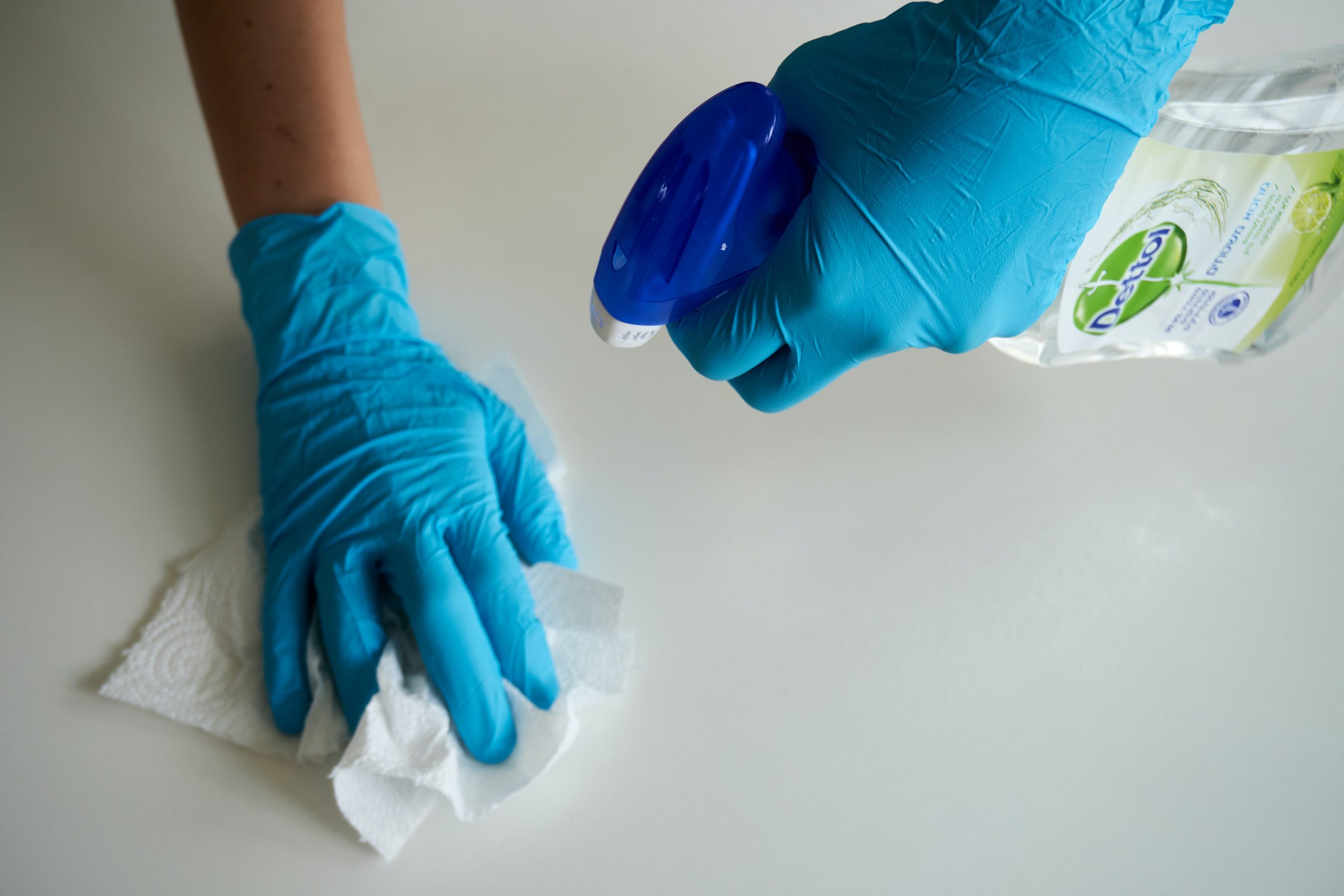
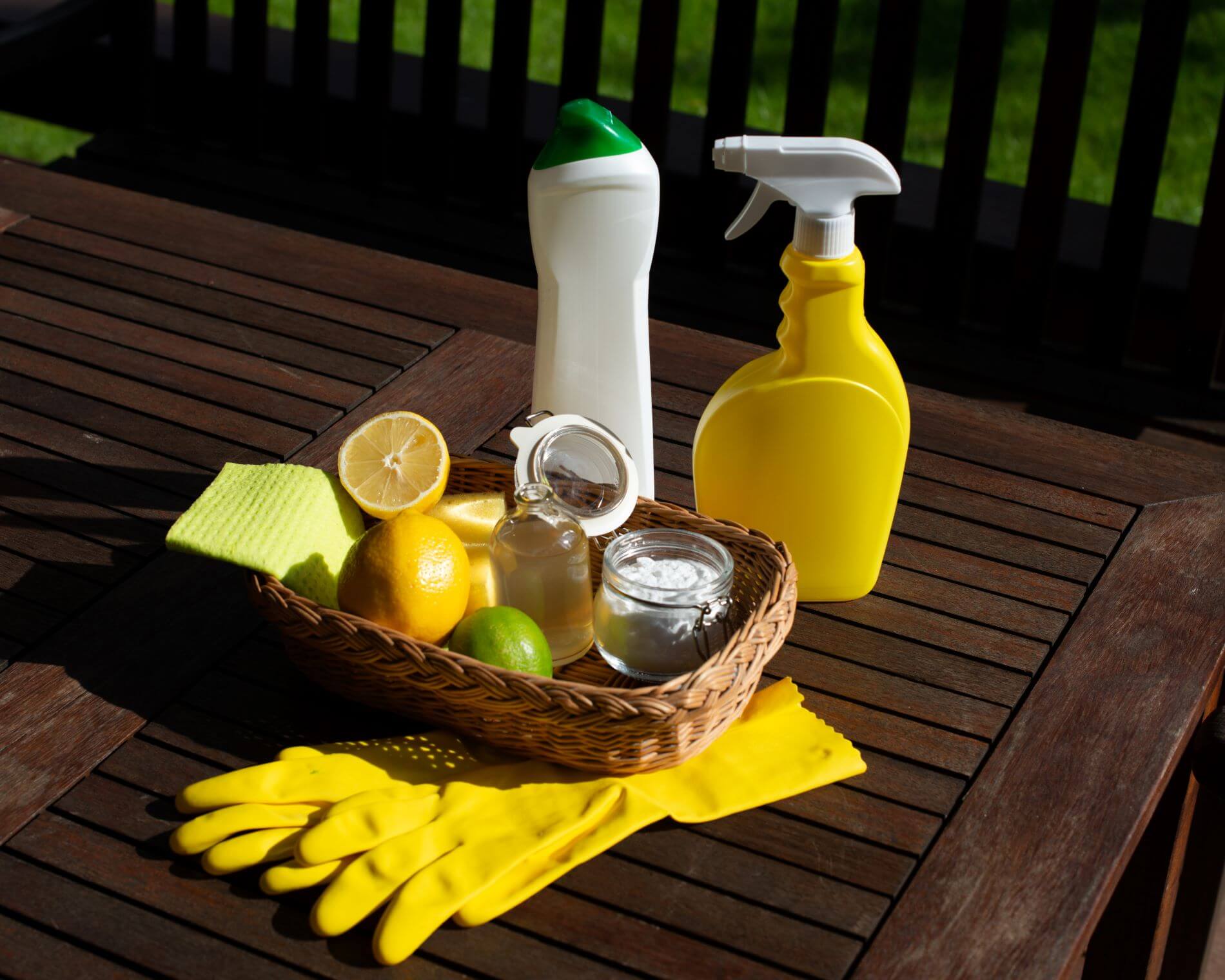
Join PEHSU Region 3 & EPA for a webinar on 3/27 at 12pm ET to receive a box of Safer Choice products! Learn about cleaning products that are safer for people & the environment from experts
Knowledge is safety. Learn how to protect yourself and loved ones from VOCs, BPA and benzene.
The President’s Task Force on Environmental Health Risks and Safety Risks to Children (Task Force) has published their priority activities for the next 5 years. Their priorities align with the focus areas of the PRCCEH.
Doctors are now being encouraged to consider more blood testing for PFAS, also known as “forever chemicals,” according to guidance released by the Centers for Disease Control and Prevention (CDC).