PWD and Spectrum Health Utility & Resource Fair
Community health event for customers of the Philadelphia Water Department.

Community health event for customers of the Philadelphia Water Department.
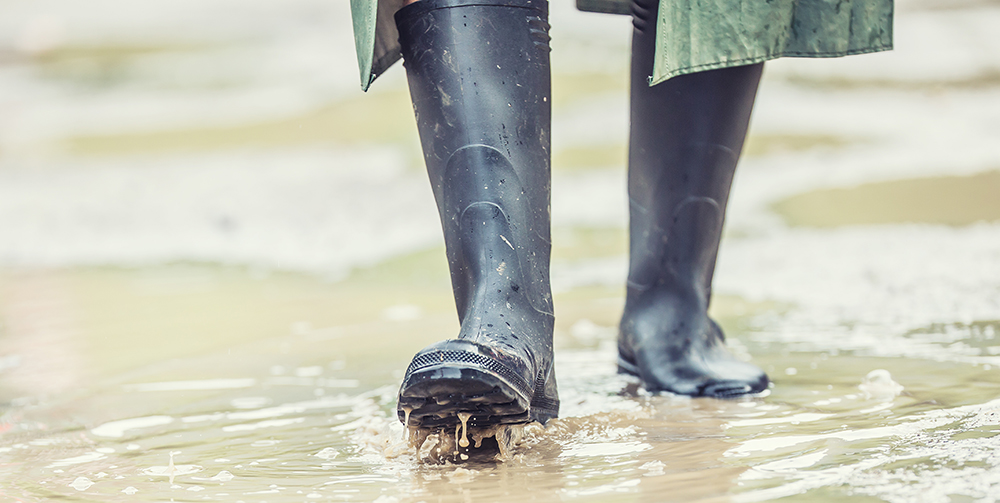
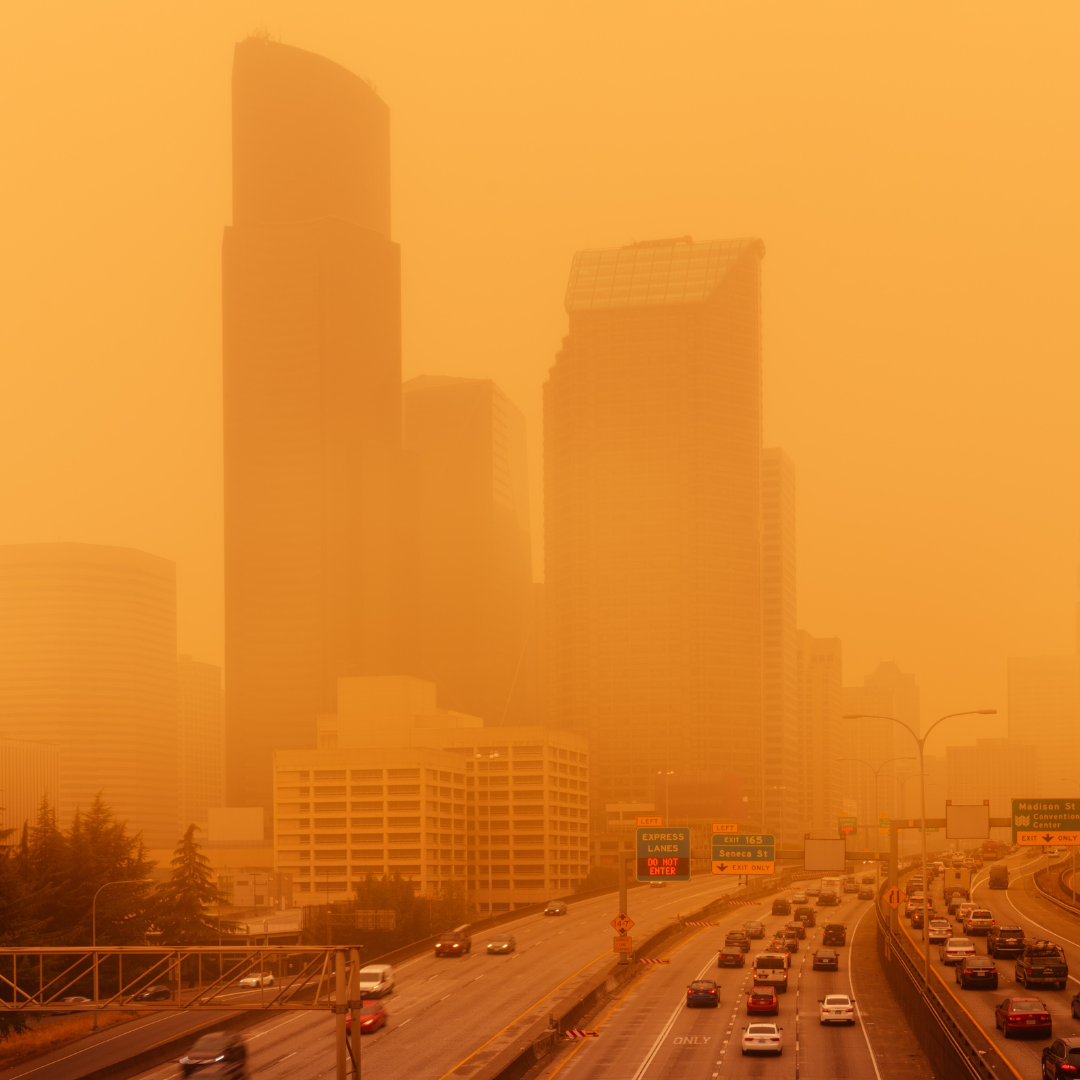
This webinar will describe how these events – including heat, wildfires, floods and storms – impact health and health systems, with a focus on child and reproductive health, and discuss tools to build climate resilient health systems.
This presentation will explore how experiences such as wildfires, hurricanes, floods, and heat waves shape children’s emotional responses, including anxiety, stress, grief, and disruption to a sense of safety and stability.
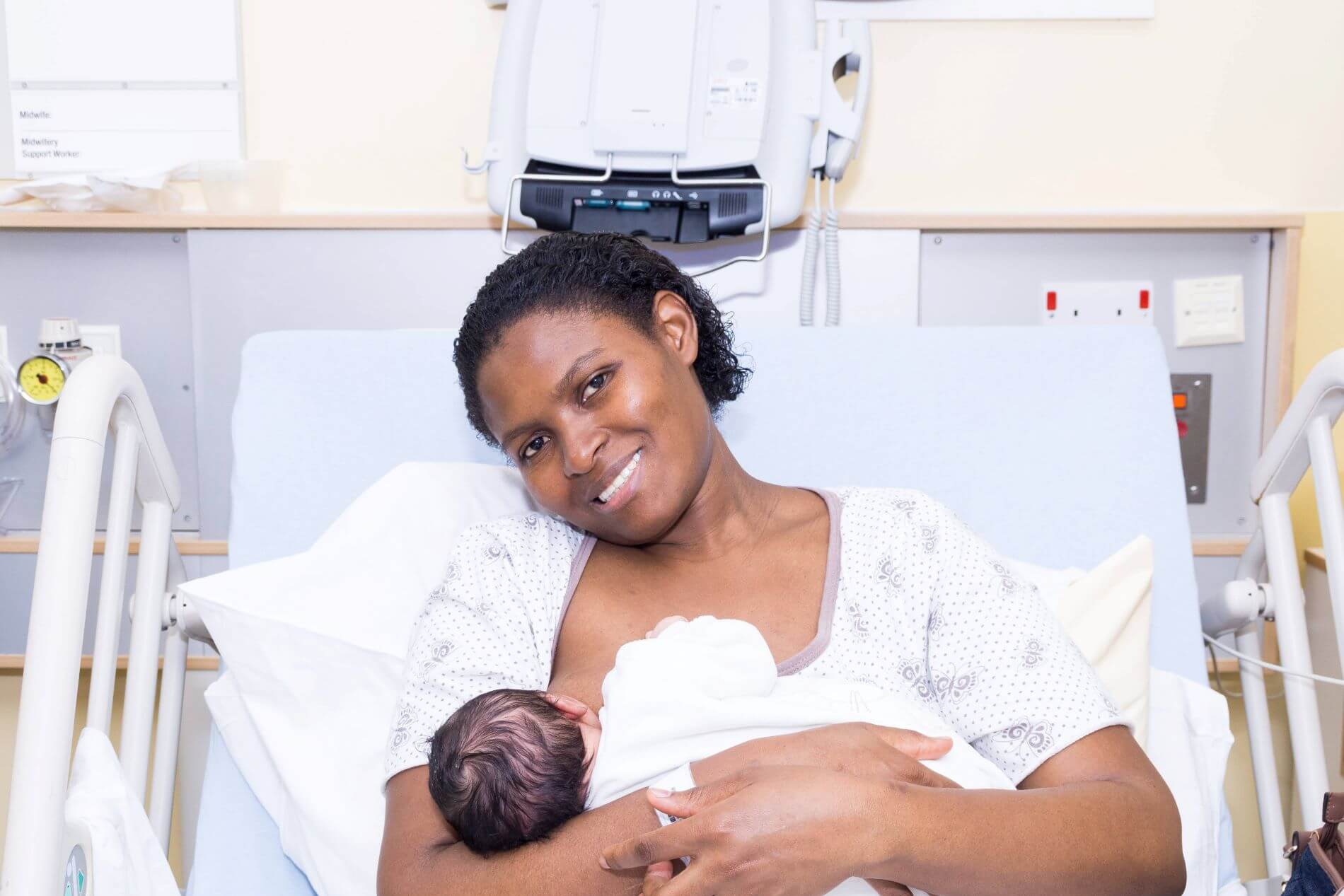
Join us for a day of connection, learning, and collective action at our 5th Annual Black Perinatal Health Summit. This event is dedicated to uniting clinical and non-clinical birth workers, community leaders, and advocates to advance health equity.
The Public Health Symposium bringing together community organizations, academic institutions, and government agencies to showcase their work, connect with one another, and discuss the public health issues shaping Philadelphia and beyond.
A day of intentional dialogue and action focused on improving maternal health outcomes for Black families and communities.
The webinar will cover why it’s important to consider children’s unique needs before, during, and after weather events and other emergencies. Participants will learn about actions they can take and about resources available for providers and others.
This webinar will describe how these events – including heat, wildfires, floods and storms – impact health and health systems, with a focus on child and reproductive health, and discuss tools to build climate resilient health systems.
EPA’s America’s Children and the Environment (ACE) serves as a national barometer for children’s environmental health, featuring over 35 environmental and health indicators.
Covers how microplastics and plastic-associated chemicals impact maternal physiology and fetal development. It will also explore evidence-based strategies for discussing these risks with patients and actionable steps to reduce plastic use and carbon footprint in medical practices.
This free event will bring together researchers, policymakers, health professionals, and advocates to examine how chemical exposures affect child health and development and how science is being translated into meaningful action.
This policy brief builds on the learnings from Penn Center for Public Health’s October 17, 2025, Healthy Housing Symposium. It outlines evidence-informed recommendations and practices to reduce the risks and burdens of unhealthy housing and to expand access to healthy homes.
Thank you for another great year at Philadelphia Regional Center for Children’s Environmental Health. We appreciate all our wonderful members, partners, and collaborators. Please enjoy this infographic of the year that was!
Dr. Stephanie Mayne from CHOP will present results from a PRCCEH-funded pilot study examining the association of extreme temperatures with missed pediatric preventive visits.
The 2026 Our Planet, Our Health Convention will convene health professionals, researchers, community leaders, and policy experts to tackle one of the most urgent issues of our time: the growing impact of climate change on health.
The Children’s Environmental Health Network has developed fact sheets that include indicators of environmental hazards, environmental exposure, and child health and development to provide an understanding of children’s environmental health at the state level.
Bringing together healthcare professionals and parent advocates to elevate health equity, inclusion, and accountability, while centering the lived experiences, and solutions of Black birthing and preemie families in challenging times.
Five webinars on children’s environmental health for nurses
This webinar will ground the issue of urban wildfires in LA within the broader fight for environmental justice, public health, and resilience.
Deeply Rooted has planted over 1,000 trees, greened over 1,000 vacant lots, and funded 79 community grants.
Healthy Schools is a program of WHE and was created to act as a resource-rich information hub for
the school community, including parents, teachers, staff and administrators.
Recordings from the scientific and translational research sessions led by post-docs, early-stage investigators and faculty from the University of Pennsylvania, Villanova University and Thomas Jefferson University.
Researchers from three University of Pennsylvania schools collaborated with a Hunting Park nonprofit to design, build, and test a prototype of a cooling shelter to place at a bus stop.
Join us for an interactive webinar about why and how to address the emotional impacts of collective challenges like climate change, and how to heal through collective action.