
Featured
Identifying and addressing lead exposure knowledge gaps
OnlineChildren's Environmental Health Day webinar on lead poisoning, misconceptions and hidden exposure, and communicating to the public about lead safety.

Children's Environmental Health Day webinar on lead poisoning, misconceptions and hidden exposure, and communicating to the public about lead safety.
Join CHARTER virtually in Roblox for an exciting afternoon of interactive games focused on children’s environmental health.
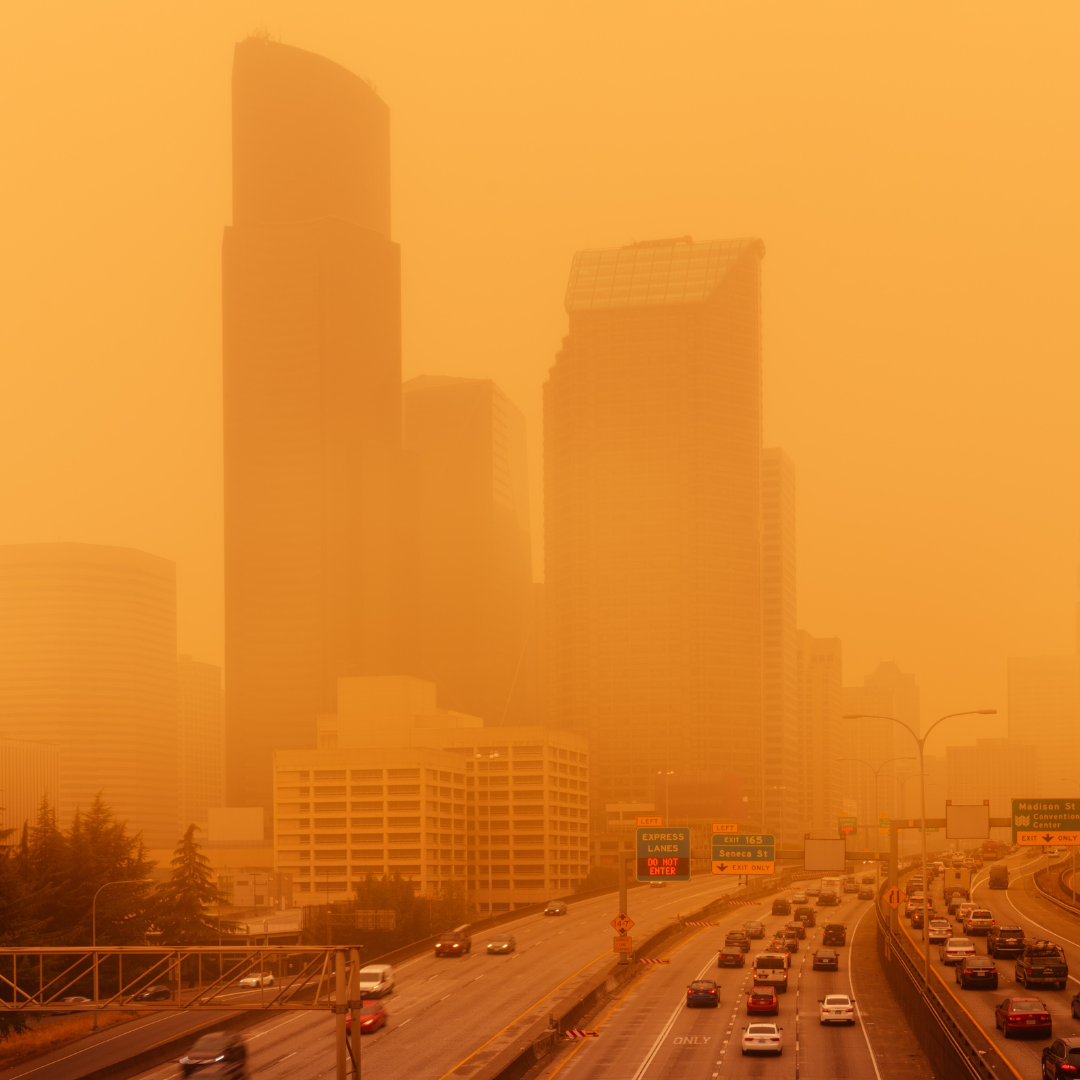
Now in its sixth year, Climate Week at Penn offers opportunities for every member of the Penn community to learn about and act on the climate crisis. The theme for 2025 is “Hot Spots,” be they literal (wildfires and extreme heat) or figurative (political, cultural, interpersonal, or scholarly hot topics).
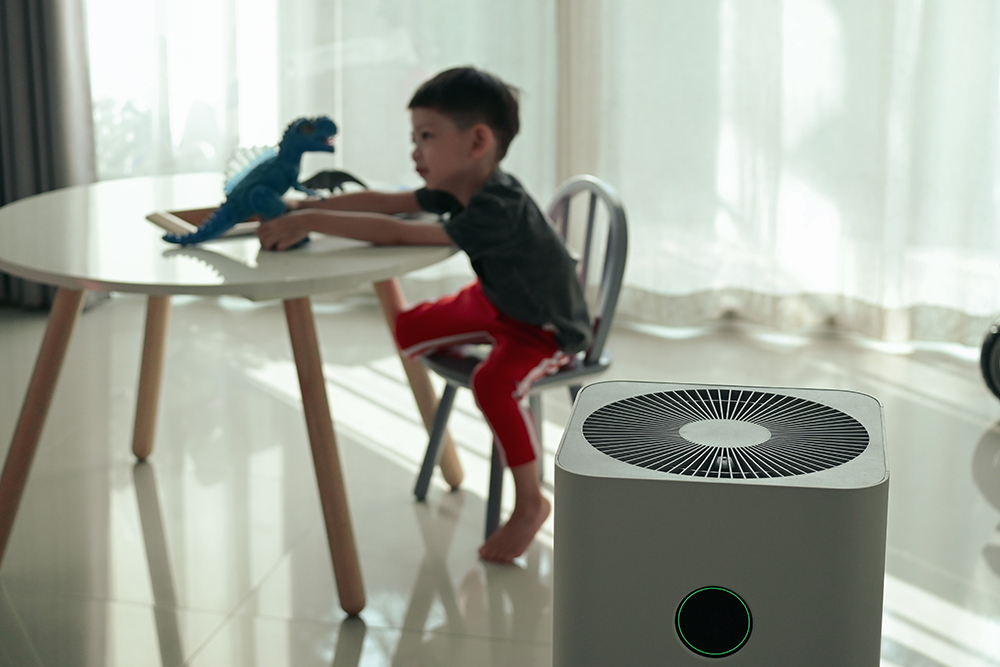
Speaker Dr. Gary Adamkiewicz (Harvard T.H. Chan School of Public Health), will provide insights related to identifying housing and household environmental factors that can influence health based on his more than 20 years of experience in conducting home-based studies in the greater Boston area.
Join PEHSU’s Childhood Cancer & the Environment Program to learn more about oil and gas development and pediatric cancers from Nicole Cardello Deziel, PhD, MHS.

October Seminar of the Philadelphia Regional Center for Children's Environmental Health

This webinar will provide an overview of lead exposure in children, including sources and impacts. The presentation will explain why universal screening for lead exposure is important, as well as the management of elevated blood lead levels.

Five webinars on children's environmental health for nurses
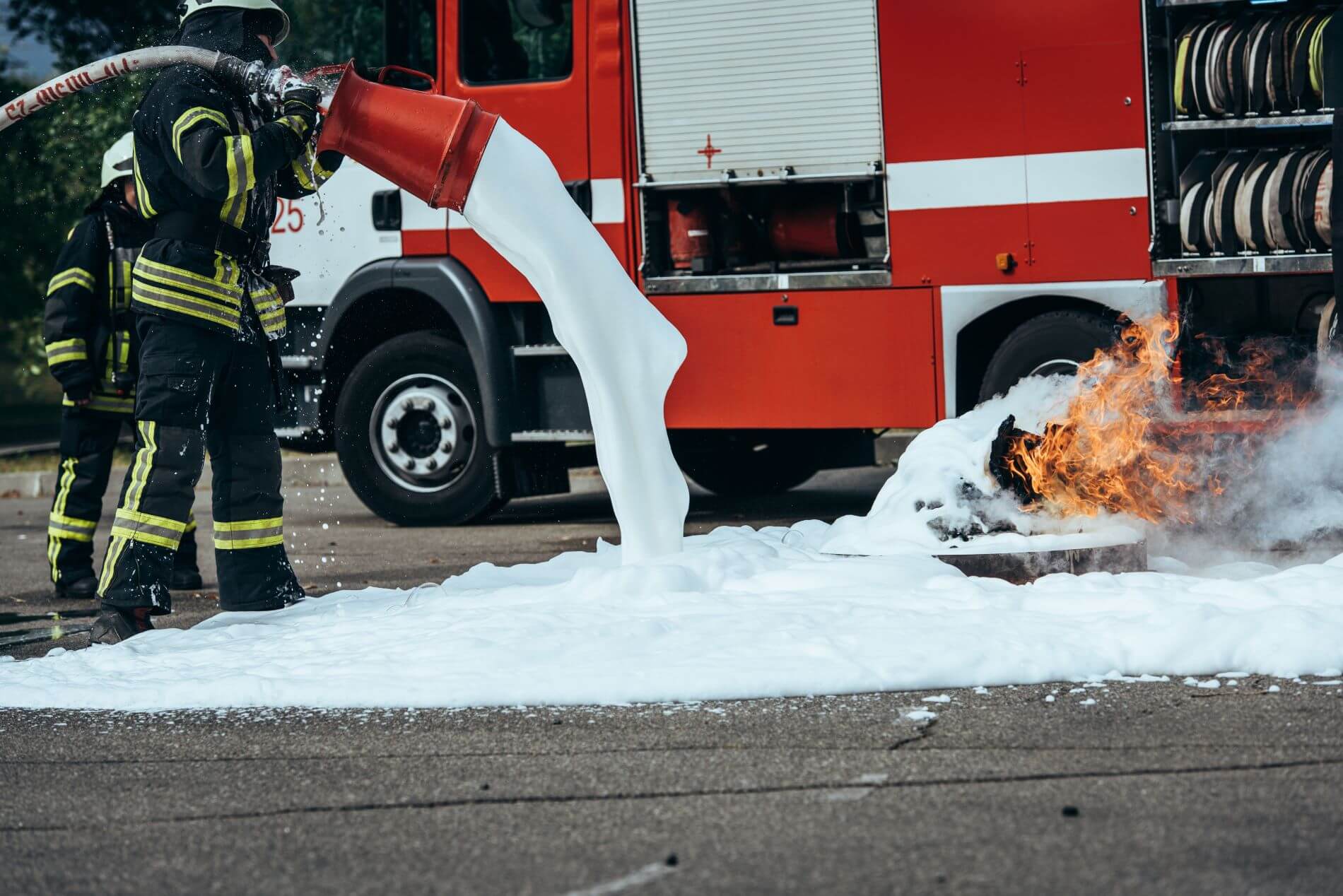
In this webinar, Adriana Antezana and Jonathan Kalmuss-Katz of Earthjustice will explore scientific practices in safeguarding the public from toxic chemical exposures.

Thomas Gluodenis, Associate Professor, Chemistry & Physics, at Lincoln University of PA, will give a talk on potential, hidden exposures to toxic chemicals that can be found in our communities.

Many institutions and communities are engaged in decision-making about athletic fields and playground surfacing. Building professionals, planners, and designers often need to assess competing proposals for infrastructure. With increasing awareness of the need to reduce plastic use and pollution globally, it is important to consider the role of the built environment in contributing to the total burden of plastics.
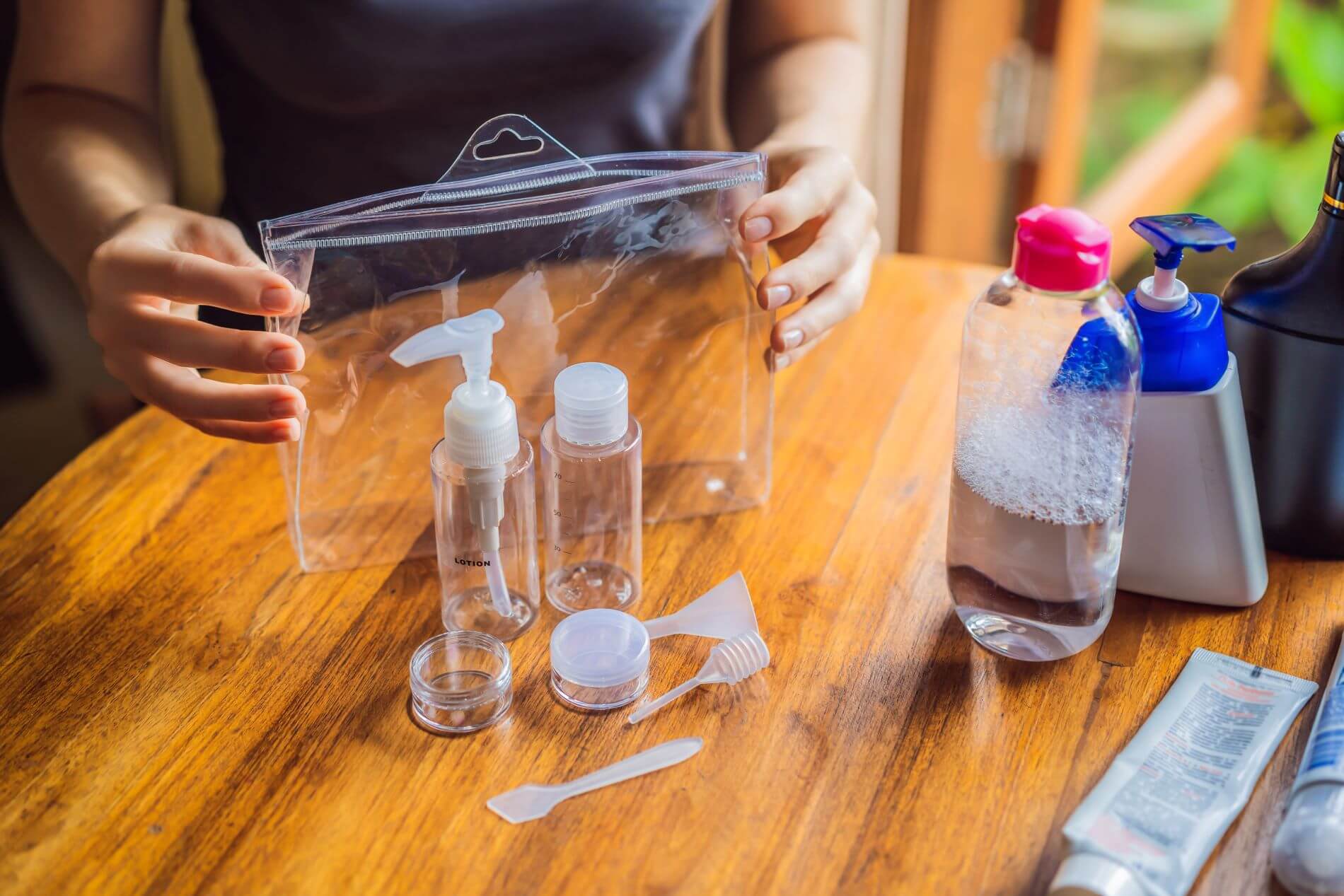
Learn which toxic chemicals are used in plastics that are commonly used to make children’s toys, dishes and kitchenware, clothing, food and beverage packaging, building materials, cosmetics, personal care products, and more.
An overview of the major types of air pollutants commonly found in indoor environments, and their primary sources. It will examine the factors affecting indoor air quality and explore effective control measures to reduce indoor air pollutant levels

Noah Buncher, DO, Pediatrician at the CHOP South Philadelphia Clinic, will give a presentation on his work doing telemedicine clinic appointment with patients to prevent childhood lead poisoning.
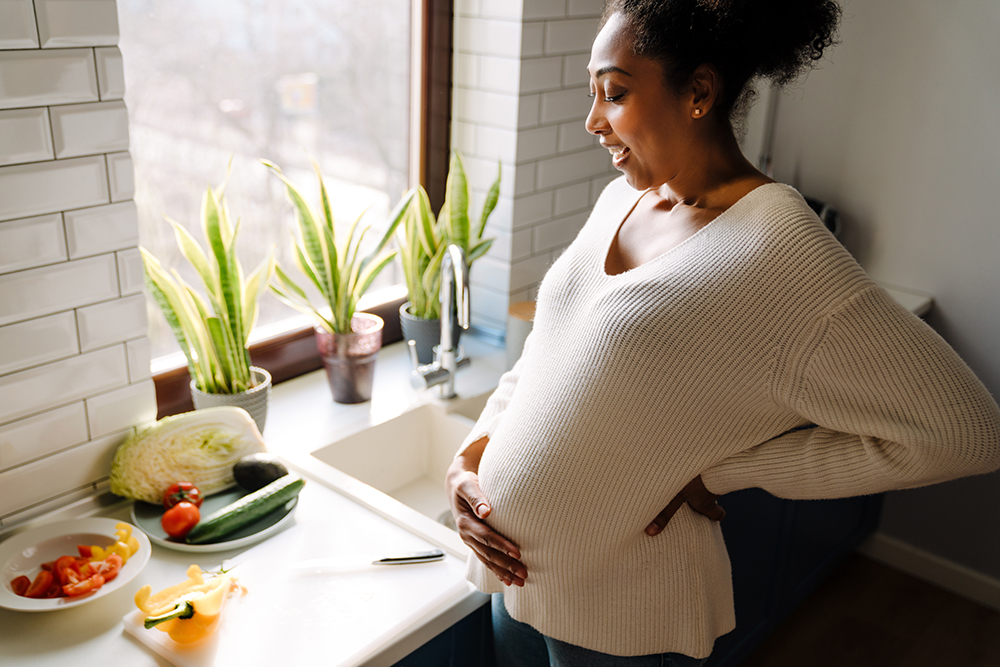
In this EDC Strategies Partnership webinar, Dr. Anne-Simone Parent, a researcher from the MERLON project, will present the findings from their recent review paper, "Endocrine-disrupting chemicals and female reproductive health: A growing concern."

Co-hosted by the U.S. National Academy of Medicine (NAM) and the School of Public Health of the University of Hong Kong (HKU), the seminar will feature Dr Nason Tan, NAM-HKU Fellow in Global Health Leadership for the 2023/24 cohort, project conducted as part of his global health leadership fellowship.

Join this webinar to learn more about evaluating the impacts of the environment on pediatric cancer risk and survivorship from Michael Scheurer, PhD, MPH, FACE.
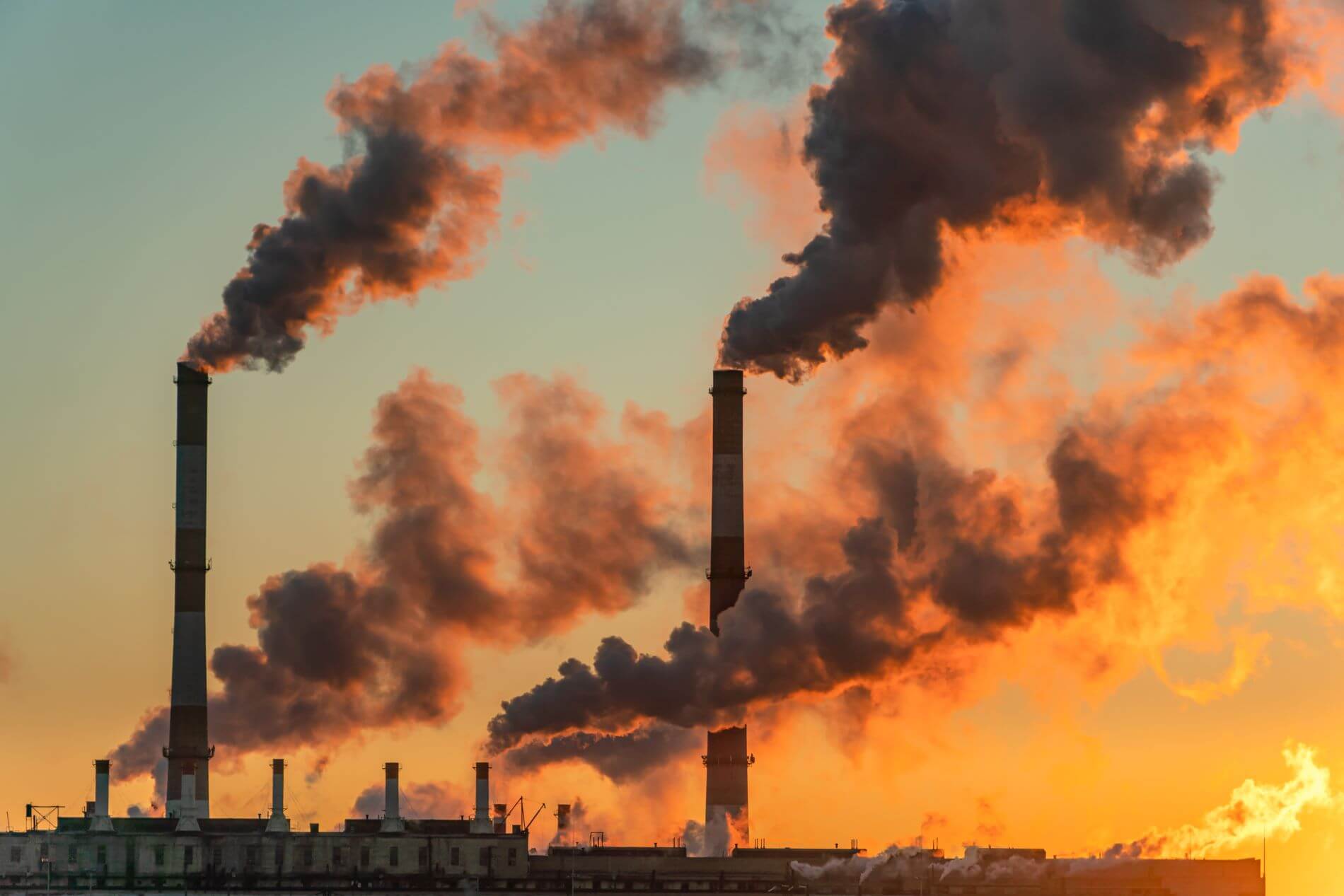
His work with other researchers on the health effects of ozone exposure has focussed on the cardiovascular effects of air pollution and on factors which modify the body’s response, with some evidence that diabetics patients are more susceptible.

In this timely discussion, CHE will explore how scientists move beyond observing correlations to making stronger inferences about causation, especially when decisions about public health and the environment are at stake

This webinar will feature Susan Kaplan, author of the recently released book A Healthy Union: How States Can Lead on Environmental Health.

Megan J. Wolff, PhD, MPH, will deliver dynamic and in-depth lecture on what is known – and what is being researched – about the impacts of plastics on human health.
The 2026 Our Planet, Our Health Convention will convene health professionals, researchers, community leaders, and policy experts to tackle one of the most urgent issues of our time: the growing impact of climate change on health.
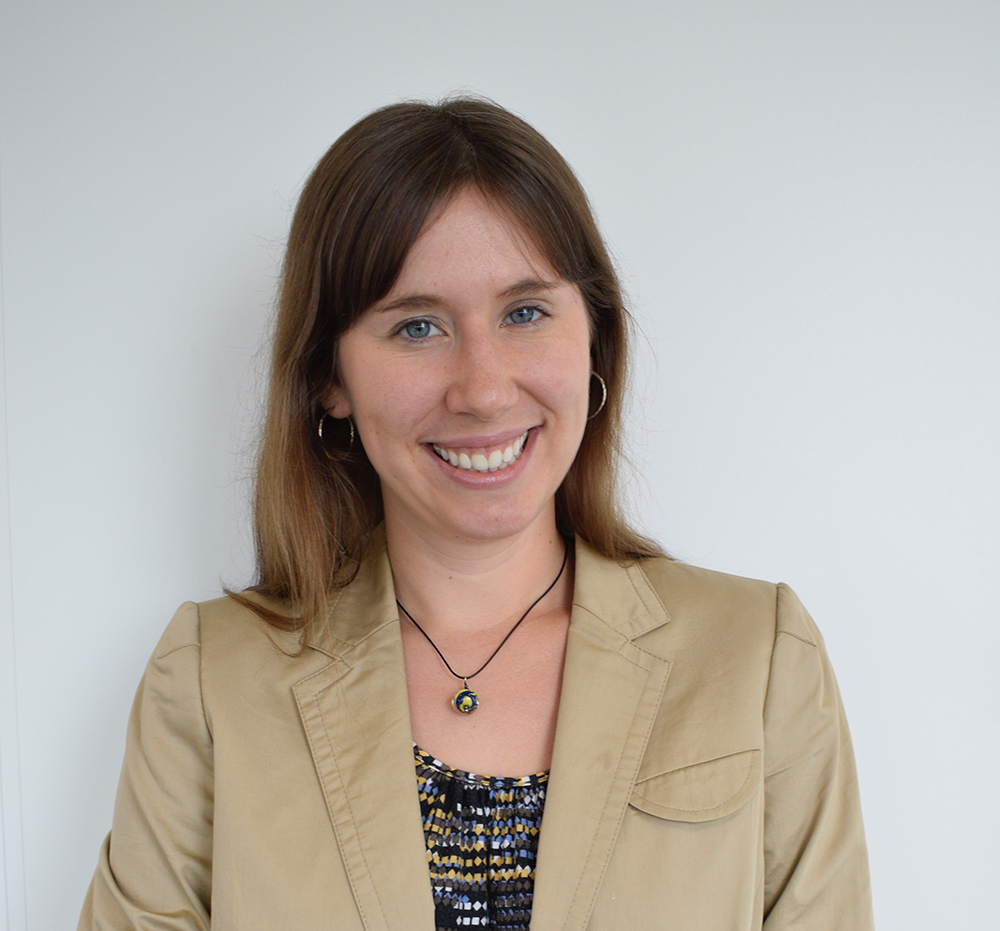
Dr. Stephanie Mayne from CHOP will present results from a PRCCEH-funded pilot study examining the association of extreme temperatures with missed pediatric preventive visits.