The NJ Safe Schools Program at Rutgers
OnlineThe PRCCEH December 2024 seminar: The NJ Safe Schools Program at Rutgers School of Public Health, and, selected findings from 2021-2023 NJ Newer High School Teachers Training-to-Research Cohort Study.

The PRCCEH December 2024 seminar: The NJ Safe Schools Program at Rutgers School of Public Health, and, selected findings from 2021-2023 NJ Newer High School Teachers Training-to-Research Cohort Study.

Scientists at the Icahn School of Medicine at Mount Sinai will share the latest research on how the environment affects health. Through this webinar series, we aim to translate our science to empower families and communities to understand the science and make the lifestyle changes that matter most.
Please join the Drexel Climate Change and Urban Health Research Center (CCUH) and the Climate Change and Urban Health in Latin America (SALURBAL Climate) project for a webinar featuring Dr. Nicole Errett of the University of Washington.
Penn's Environmental Innovations Initiative is leading a talk on the impact of climate change on human health with the goal of increasing environmental literacy. The December speaker is Farah N Hussain, MD, Associate Professor of Clinical Medicine at Penn Medicine.
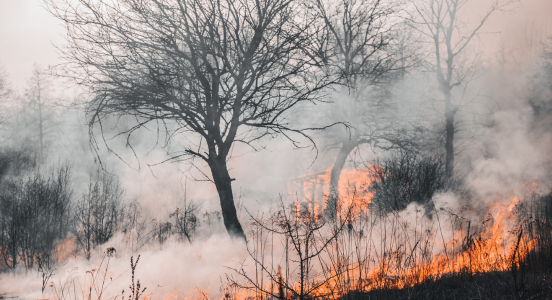
Join leading experts in climate science, pediatrics, mental health, environmental health, and climate adaptation to explore wide-ranging short-term and long-term health risks posed by wildfires and share practical strategies for building resilience and protecting communities.
Please join the Drexel Maternal and Child Health (MCH) Program for its first MCH Speaker Series Presentation of 2025! Feel free to share this with trainees and colleagues who may also be interested. All are welcome.
In this webinar you will learn about burgeoning environmental health issues and how nurses can incorporate this information into their nursing practice.
This three-day online event is dedicated to exploring the connections between climate change and mental health.
This session is led by Tim Nelin, MD, an attending physician and neonatology fellow at the Children’s Hospital of Philadelphia.
The panelists for this webinar will discuss environmental injustice and its effects on children from three unique perspectives.
Join us in Washington, DC from March 1-4, 2025, for Our Planet, Our Health: 2025 Climate Action Convention, one of the largest events ever focused on planetary health and climate action.
The CAFE Climate and Health Conference is an interdisciplinary opportunity for individuals from across the climate and health field to gather for cross-sector collaboration and engagement.
The presentation will include the myths and realities regarding the benefits and risks of these products, whether used indoors or outdoors.
The March seminar of the Philadelphia Regional Center for Children's Environmental Health. This session will be led by Arnold Eiser, MD, Master of the American College of Physicians (MACP).
During this webinar attendees will learn the physiological, environmental, and social factors that increase children's vulnerability to heat-related illnesses.
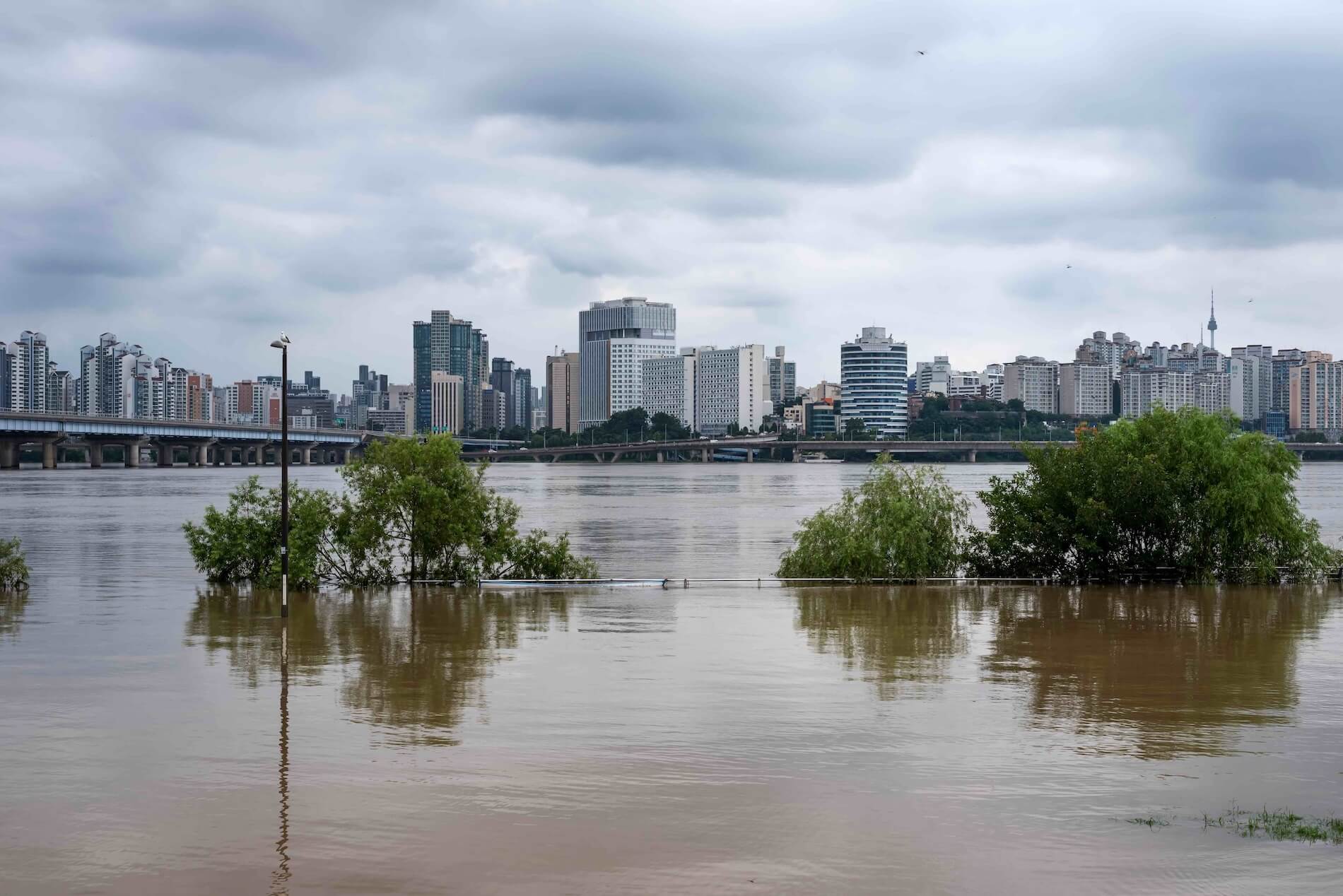
Learn about PRCCEH climate change programs and other initiatives to protect children's health from extreme heat and flooding.
Bringing together researchers, community groups and health professionals to discuss the latest research and programs to improve the environmental health of our region's children.
These free trainings are designed to help advocates across all sectors—public health, early childhood, education, environmental justice, caregiving, and youth—build power, tell our stories, and take meaningful action together.
Join the Center for American Progress for a discussion on how to protect the United States' youngest learners from extreme heat in the face of efforts to roll back climate progress.
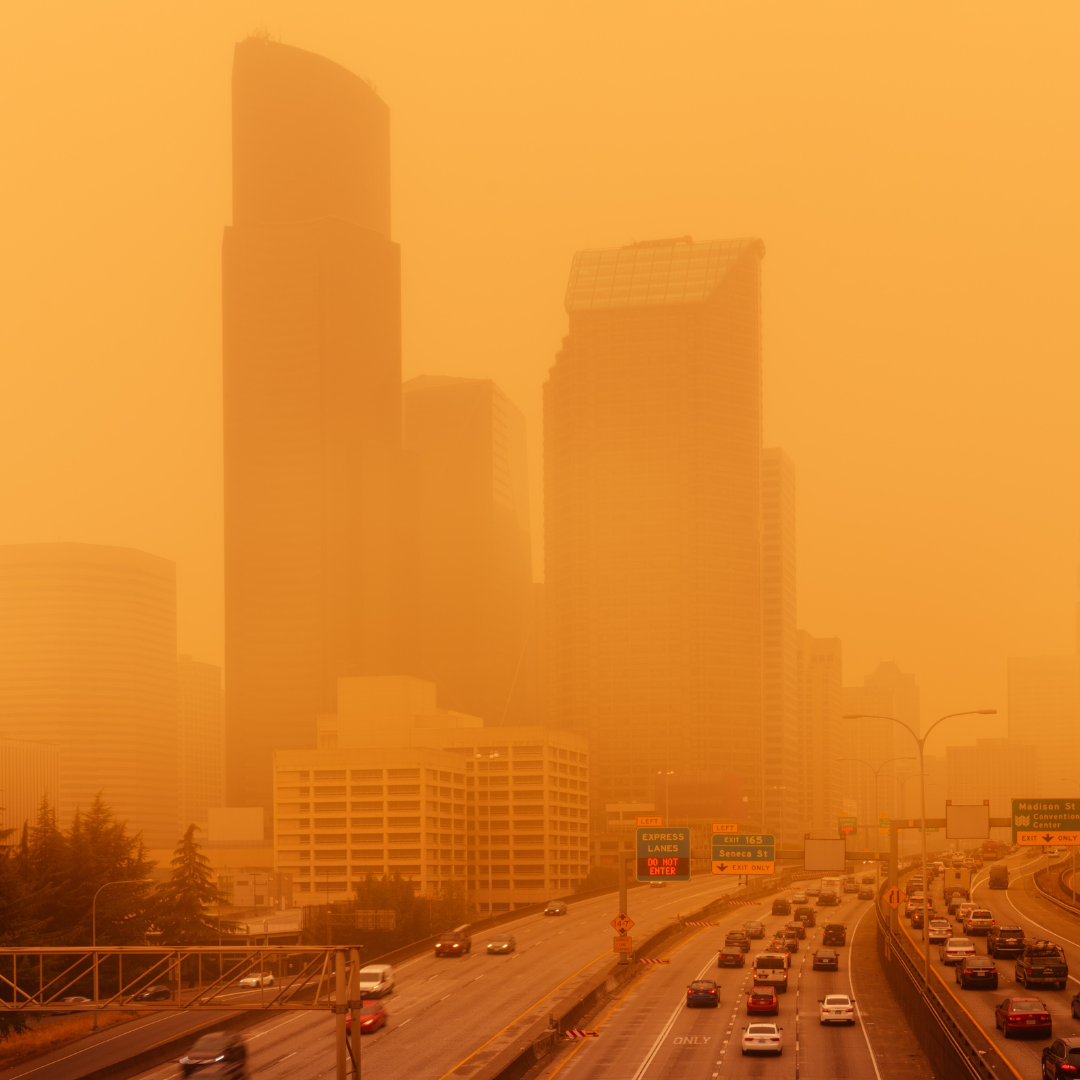
This webinar will explore the intersection of wildfire smoke exposure and childhood asthma. Expert speakers, drawn from EPA’s National Environmental Leadership Award in Asthma Management winners and wildfire smoke grant program recipients, will share best practices, community-engagement strategies, and innovative approaches.
The ubiquity of microplastics in the environment is an emerging concern. These small plastics (<5 mm) along with associated contaminants may be consumed by organisms including humans and have been found in every environment on Earth. There are numerous data gaps about the potential effects of microplastics on human health and ecological systems.
Dr. Konstantinos C. Makris is a full professor of environmental health and supervises the Water and Health laboratory at the Cyprus International Institute for Environmental and Public Health.
This event will surface actionable steps to leverage data to shape effective heat policies that reduce heat-related adverse health outcomes.
This live conversation will explore how wildfire smoke affects young children and how the LA Fire HEALTH Study is working to better understand its short- and long-term health impacts. The […]