Radon Awareness Webinar
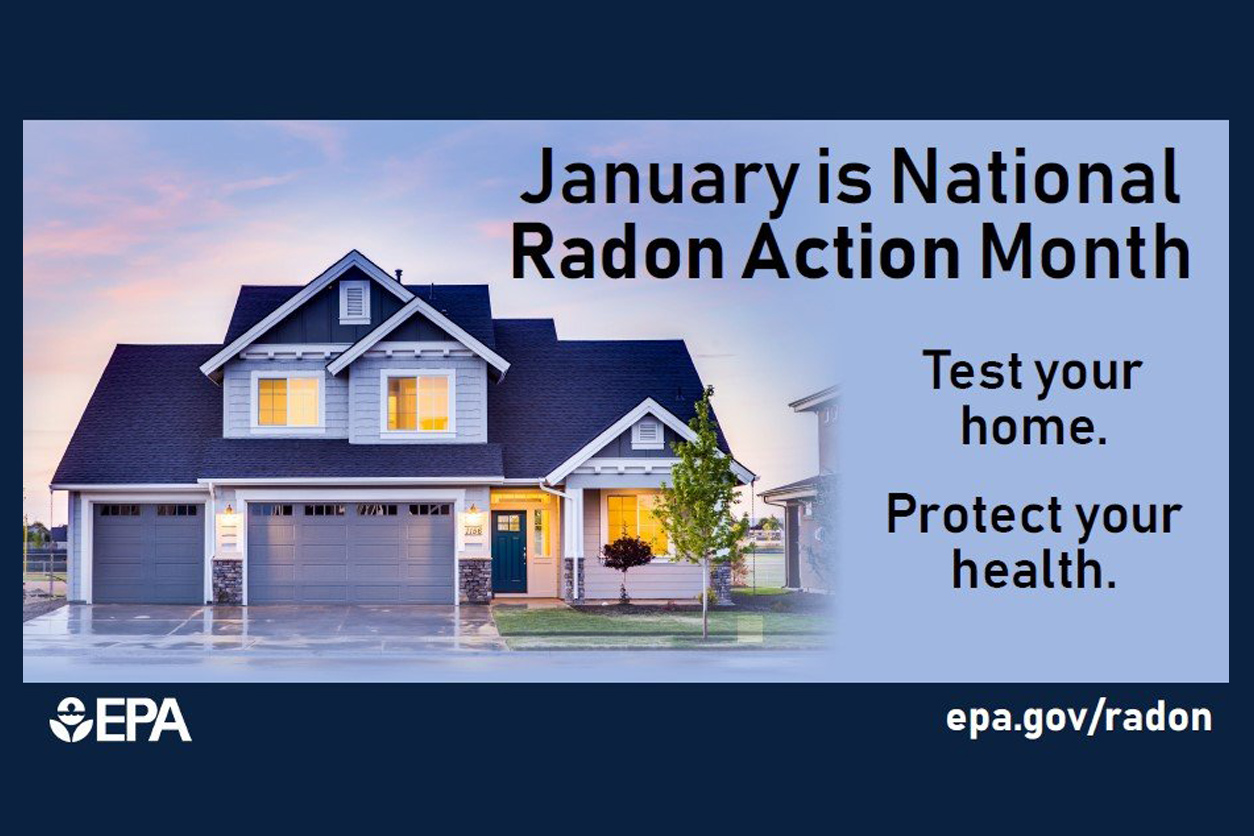
January is Radon Action Month! Learn all about this naturally occurring gas and how it enters homes and buildings. Radon is the second leading cause of lung cancer in the US.

January is Radon Action Month! Learn all about this naturally occurring gas and how it enters homes and buildings. Radon is the second leading cause of lung cancer in the US.
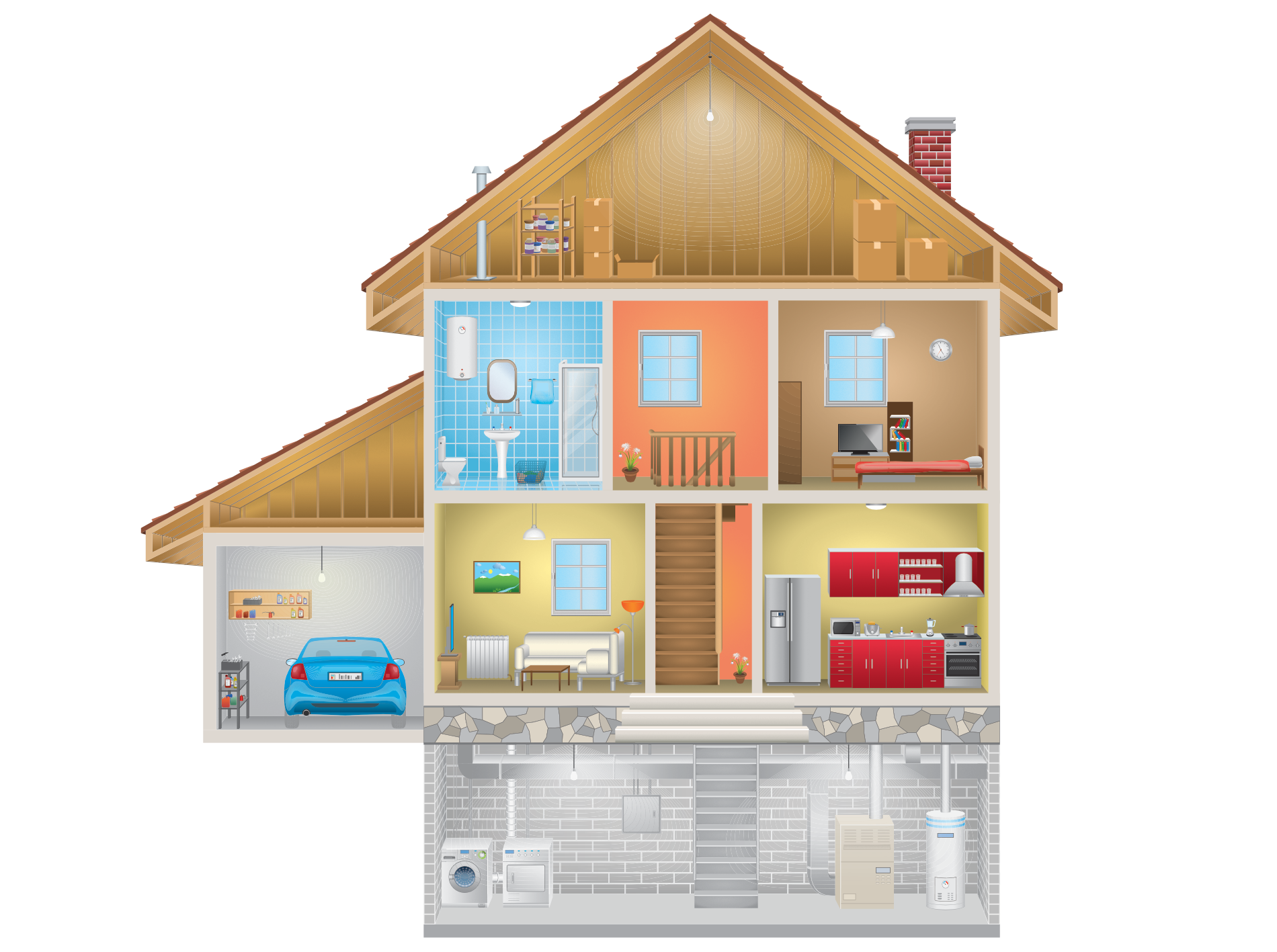
January is Radon Action Awareness Month! Learn all about this naturally occurring gas and how it enters homes and buildings. Radon is the second leading cause of lung cancer in the US.
This presentation will review the evolution of public health guidelines regarding fish consumption for pregnant women and children.

Megan J. Wolff, PhD, MPH, will deliver dynamic and in-depth lecture on what is known – and what is being researched – about the impacts of plastics on human health.
This talk will explore the connection between the laws the US Environmental Protection implements and our health and examine the public health impacts of past and more recent policy decisions.
In this EDC Strategies Partnership/Young EDC Scientists Showcase (YESS) webinar, Dr. Shuo Xiao will introduce his lab research that focuses on integrating in vivo, in vitro, and in silico models to study the impacts of real-world EDC mixtures on female ovarian function, reproductive outcomes, and the molecular mechanisms involved.
Attendees will learn about the relationship of the neighborhood environment with obesity among children. Multiple aspects of neighborhoods will be discussed, including features of the neighborhood physical environment and the neighborhood social environment.
Covers how microplastics and plastic-associated chemicals impact maternal physiology and fetal development. It will also explore evidence-based strategies for discussing these risks with patients and actionable steps to reduce plastic use and carbon footprint in medical practices.
EPA’s America’s Children and the Environment (ACE) serves as a national barometer for children’s environmental health, featuring over 35 environmental and health indicators.
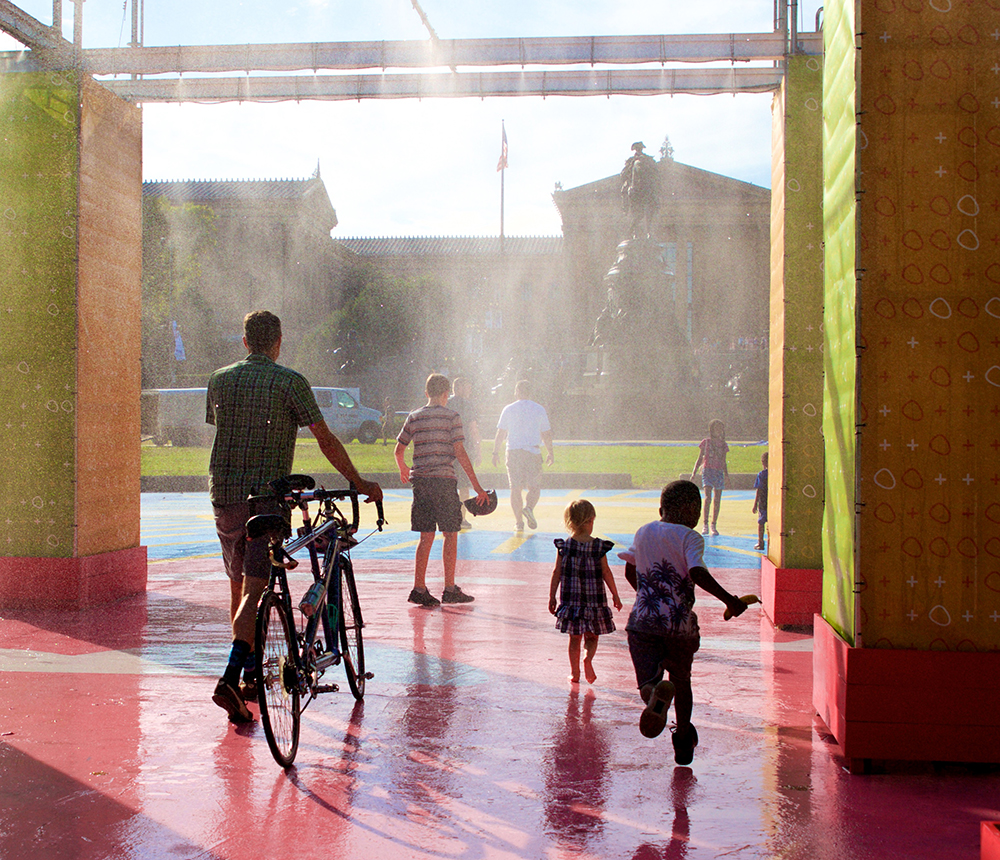
Join us for the next session in the Politics of Well-Being series, exploring the geography of well-being.
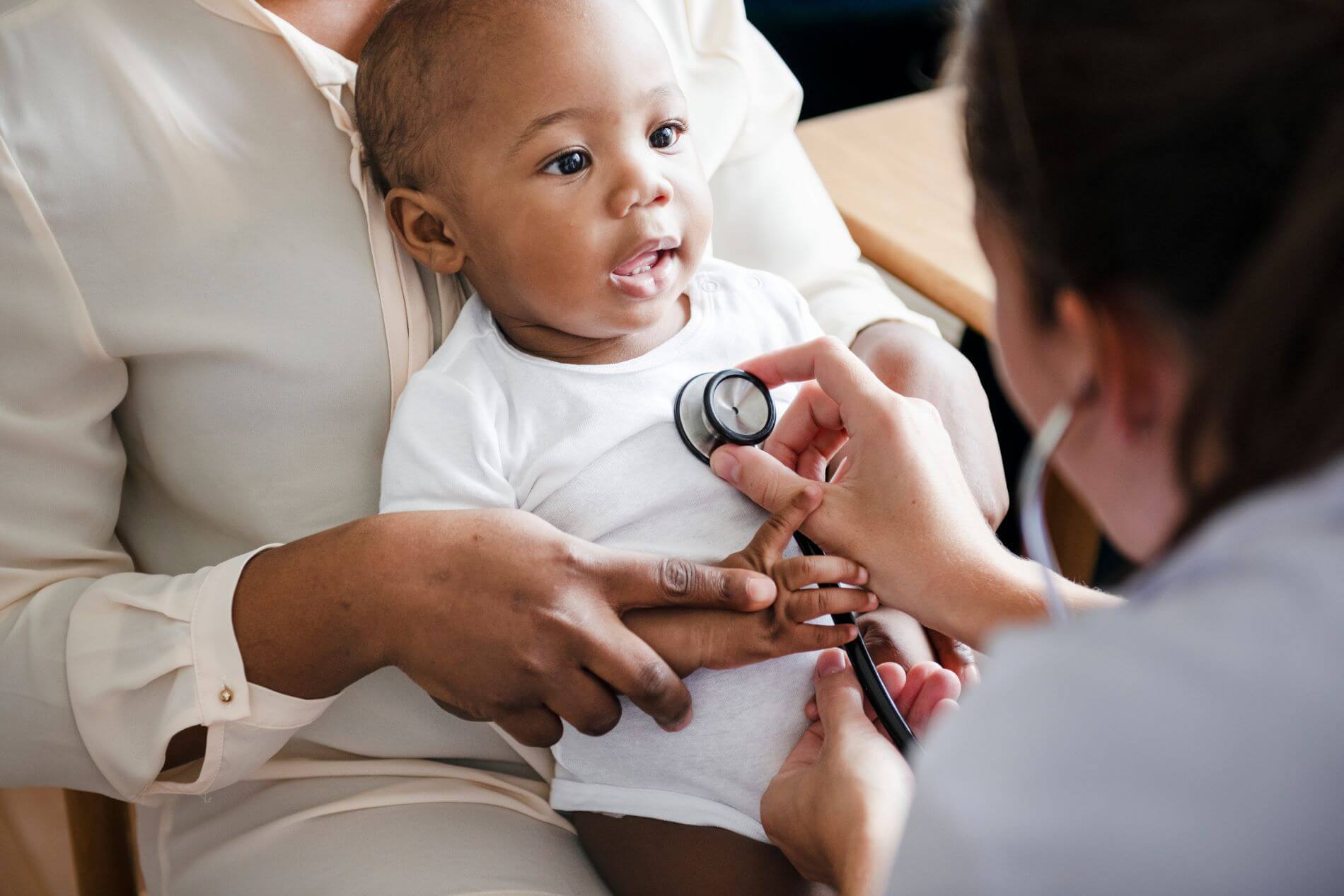
Learn more about childhood cancer and environmental health with special guests from Pediatric Environmental Health Specialty Unit, Environment and Human Health Laboratory, and Virgen de la Arrixaca University Clinical Hospital.
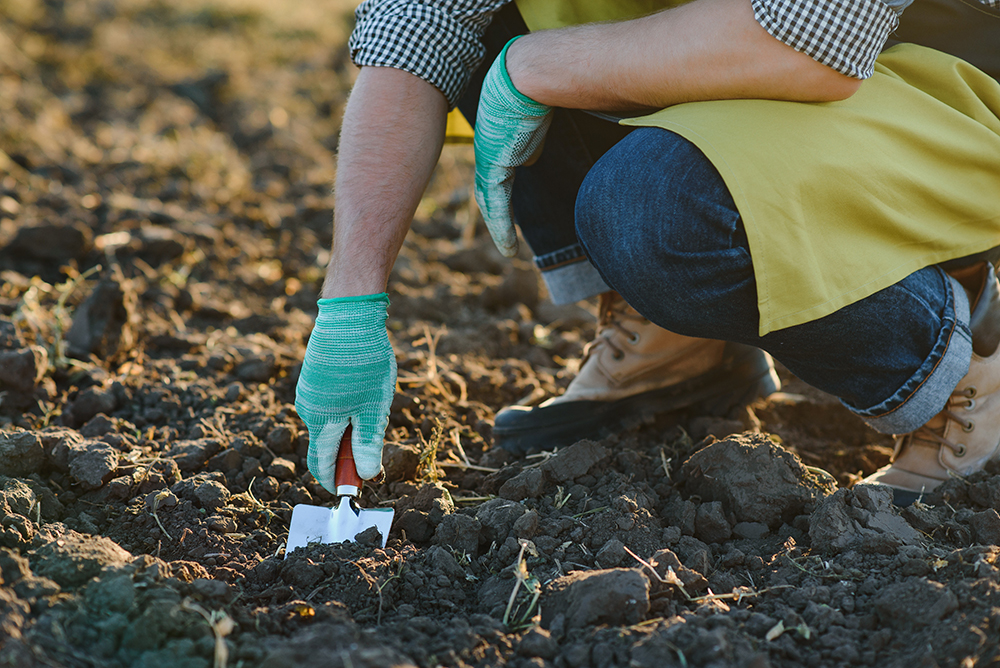
The 2026 Our Planet, Our Health Convention will convene health professionals, researchers, community leaders, and policy experts to tackle one of the most urgent issues of our time: the growing impact of climate change on health.
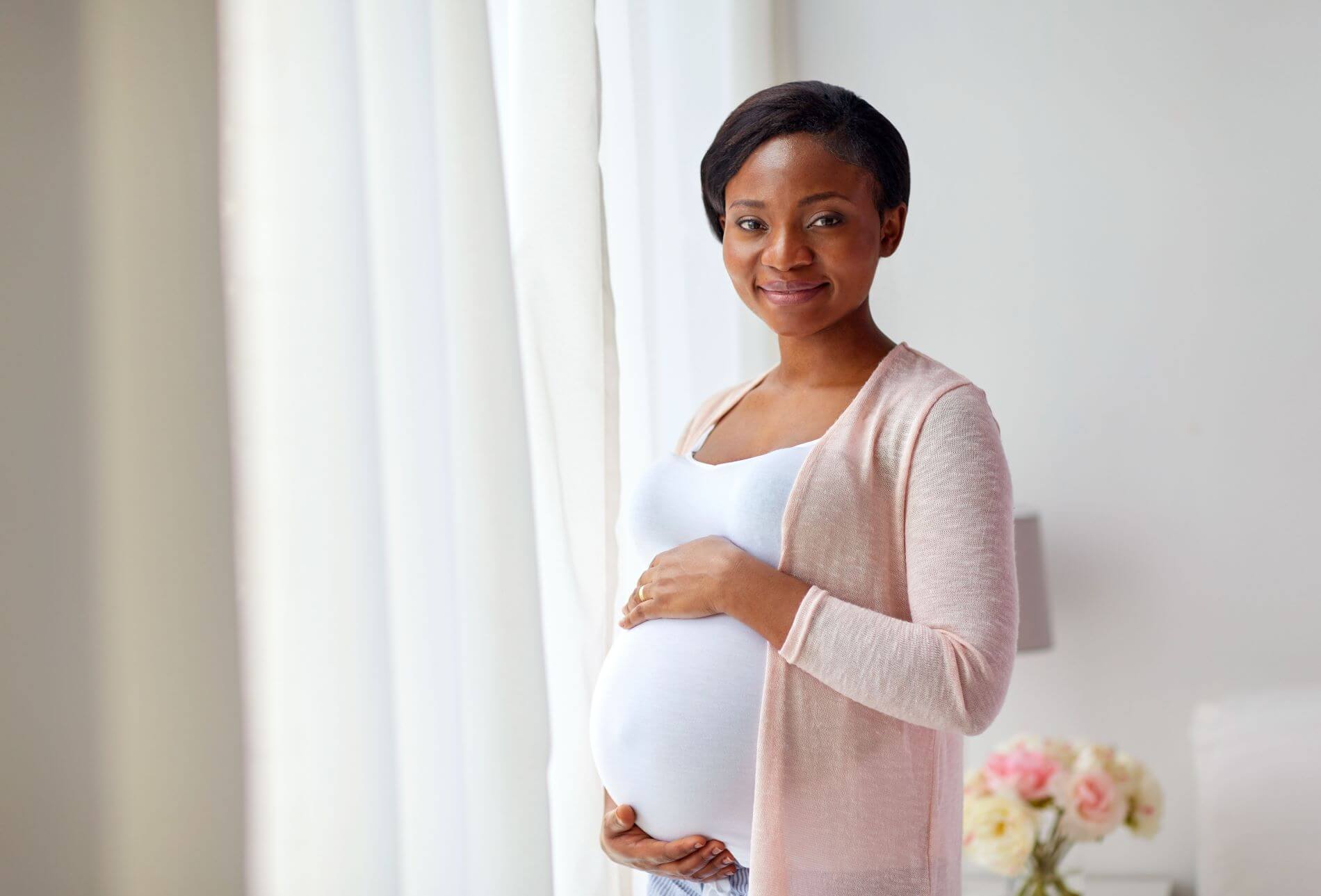
Participants will hear from the Newborns and Neighbors team and their approach to perinatal peer support and MCH workforce development.
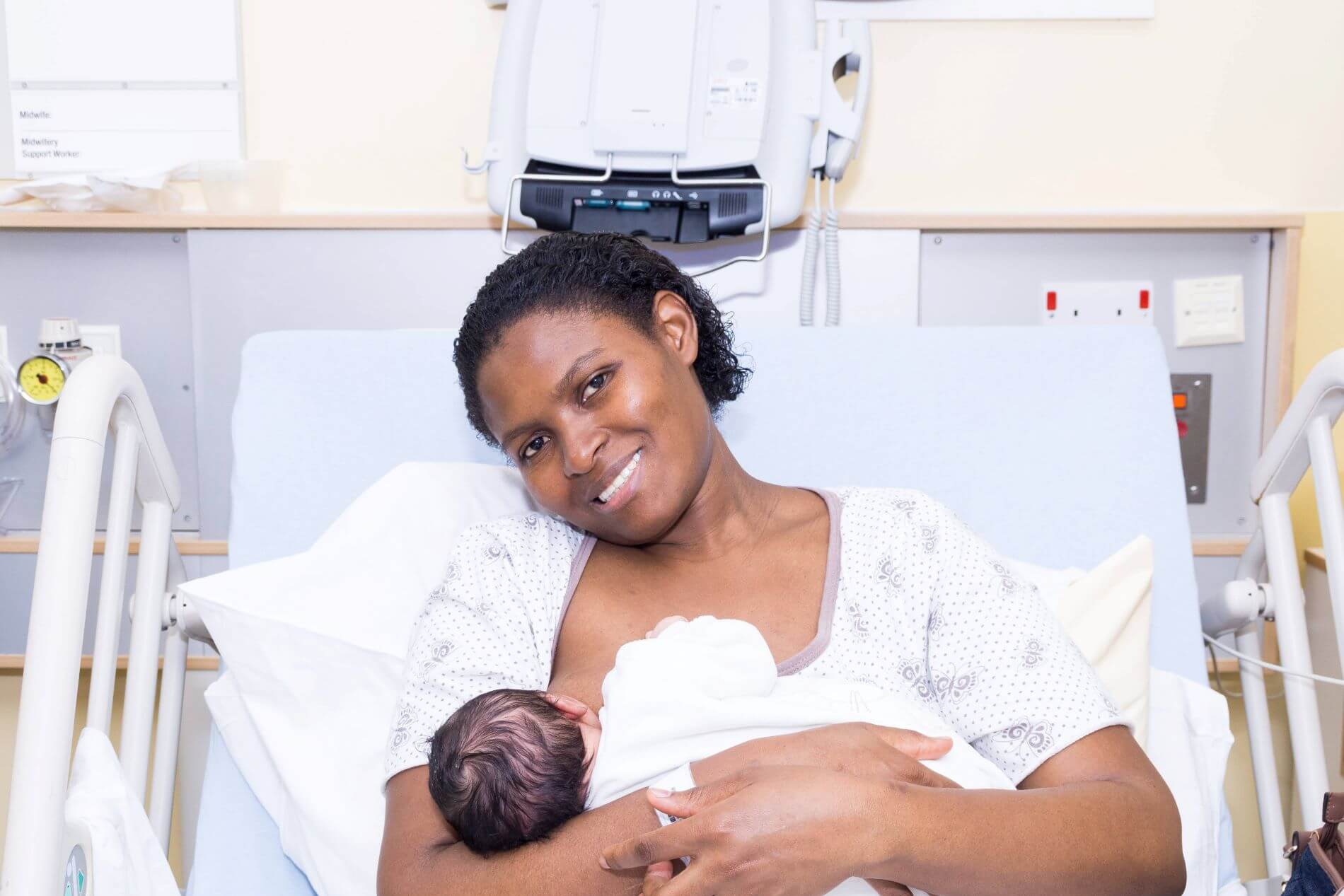
Join us for a day of connection, learning, and collective action at our 5th Annual Black Perinatal Health Summit. This event is dedicated to uniting clinical and non-clinical birth workers, community leaders, and advocates to advance health equity.
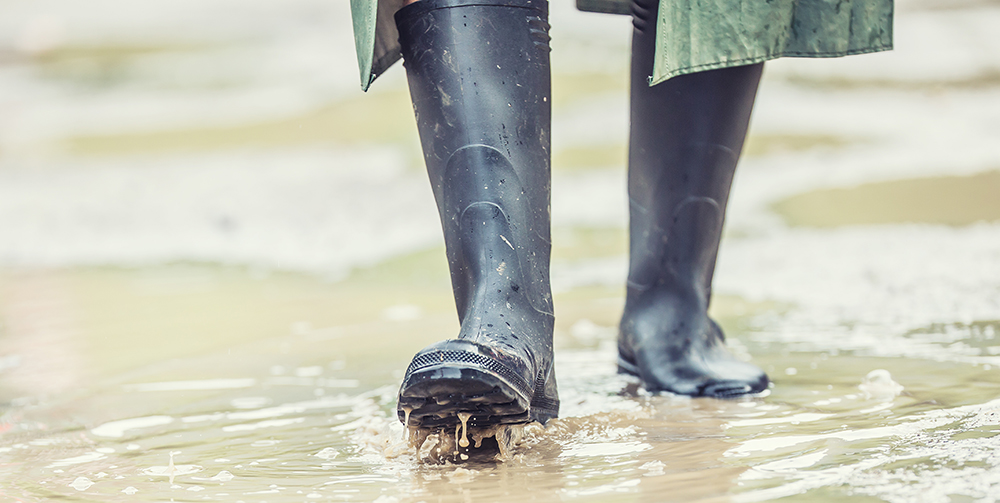
The webinar will cover why it’s important to consider children’s unique needs before, during, and after weather events and other emergencies. Participants will learn about actions they can take and about resources available for providers and others.

Speakers will discuss the best practices for leveraging social media for health communication.
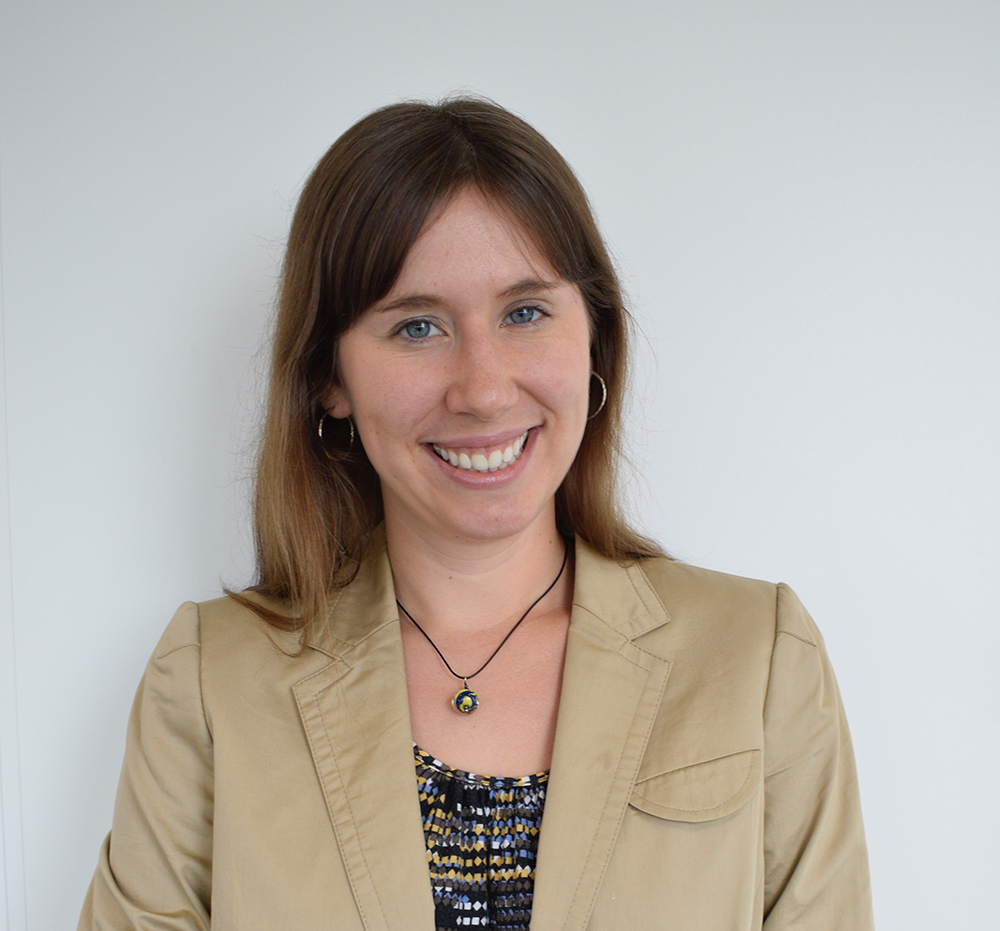
Dr. Stephanie Mayne from CHOP will present results from a PRCCEH-funded pilot study examining the association of extreme temperatures with missed pediatric preventive visits.
Join the Section on Public Health for a Grand Rounds focused on Maternal Mortality and Morbidity.
A new documentary, The Plastic Detox, unfolds the science behind plastics and their health impacts, specifically fertility challenges. This webinar looks at the research of the documentary.
This Grand Rounds will feature Maitreyi Mazumdar MD, MPH, MS. who will provide an overview of the epidemic of arsenic-contaminated drinking water in Bangladesh and the neurotoxic effects of arsenic.
The Public Health Symposium bringing together community organizations, academic institutions, and government agencies to showcase their work, connect with one another, and discuss the public health issues shaping Philadelphia and beyond.
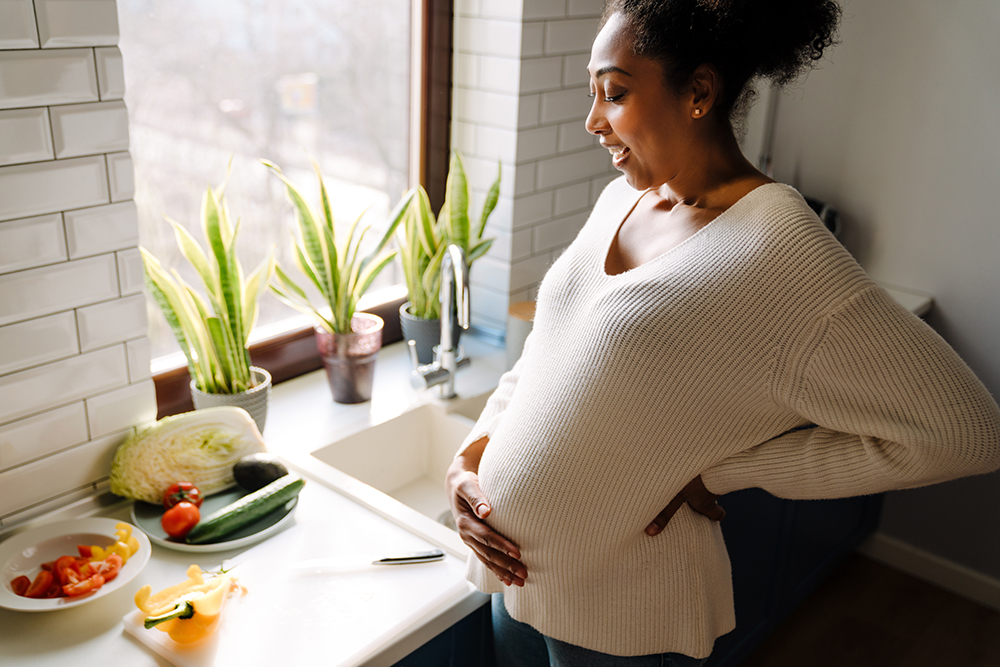
Every year, BMHC brings Black birthers and their families, birthworkers, health experts, researchers, students, community members, and change agents to learn about the current work to improve the Black maternal health crisis in the US.
A day of intentional dialogue and action focused on improving maternal health outcomes for Black families and communities.
This presentation will explore how experiences such as wildfires, hurricanes, floods, and heat waves shape children’s emotional responses, including anxiety, stress, grief, and disruption to a sense of safety and stability.

Webinar exploring how the places we live, learn, and work shape human health